A Bahraini court on Tuesday sentenced an officer of the Gulf kingdom's National Intelligence Service to life in prison for the in-custody death of a man arrested during the Iran war. This significant ruling came as a member of the Gulf kingdom’s domestic spy agency received the life sentence. Bahrain’s state news agency reported that investigators concluded the unidentified officer was responsible for the death. The sentence aligns with the case of Mohamed al-Mousawi, a 32-year-old Shiite Muslim, whose tragic death while in custody prompted the legal proceedings. Al-Mousawi's body was returned to his family bearing bruises, burns, and cuts, according to reports that detailed the extent of his injuries. The court's decision marks a notable moment in addressing accountability within the country's security apparatus. The verdict, delivered on Tuesday, concluded a legal process that has drawn considerable attention.
Details of the Death
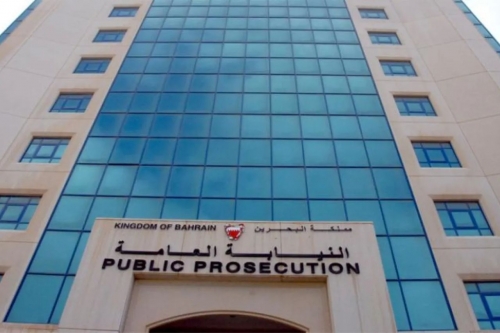
Prosecutors filed charges in April that included “assault resulting in death” in connection with the case, specifically naming the National Intelligence Service officer. The charges were brought after a thorough review of the circumstances surrounding al-Mousawi's detention and subsequent death. A forensic expert with Physicians for Human Rights stated that Mohamed al-Mousawi's injuries matched descriptions of blunt force trauma and torture, providing a critical medical assessment in the investigation. These findings showed the severity of the alleged abuse suffered by al-Mousawi. Al-Mousawi was among dozens of individuals detained or charged by Bahraini authorities during a period of heightened scrutiny. These detentions were reportedly for expressing support for Iran or for espionage-related offenses, indicating a broader crackdown on perceived dissent or foreign influence. The charges against the National Intelligence Service officer came after an investigation into the circumstances surrounding al-Mousawi's death while in custody, leading to the court's indictment. The court's decision followed a review of the evidence presented by the prosecution, which included forensic reports and witness testimonies. The legal process aimed to determine responsibility for the in-custody death.
Context of Bahrain
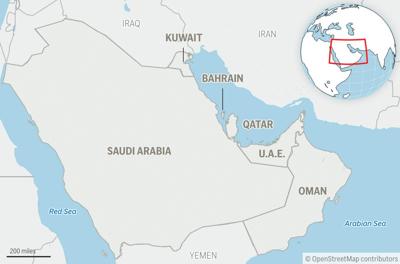
Bahrain is an island nation governed by a Sunni monarchy, and its population is predominantly Shiite, creating a complex socio-political dynamic. The country also hosts the U.S. Navy’s Fifth Fleet, a significant military presence in the region that shows Bahrain's strategic importance. This strategic location and internal demographic composition often place Bahrain under international observation. Bahrain's government has consistently rejected accusations of sectarianism, asserting that its authorities operate within legal frameworks in all actions taken. Officials have maintained that all detentions and legal proceedings are conducted in accordance with national laws and international norms, despite claims to the contrary from human rights organizations. The government has affirmed its commitment to upholding justice and accountability for all individuals.
Reactions and Demands
The Bahrain Institute for Rights and Democracy described the life sentence as inadequate, expressing reservations about the sufficiency of the verdict. The organization further demanded greater transparency regarding the circumstances of the in-custody death, calling for a more full disclosure of information surrounding al-Mousawi's case. This call for transparency notes ongoing concerns among human rights groups about accountability within Bahrain's security forces and the need for independent oversight. The institute's statement did not specify what additional measures it believed would constitute an adequate response to the verdict, but its demand for transparency suggests a desire for a full public accounting of the events leading to al-Mousawi's death. This reaction reflects a broader sentiment among human rights advocates who seek more strong mechanisms for justice and redress in such cases. The institute's position shows the ongoing dialogue between civil society organizations and the Bahraini government regarding human rights practices.