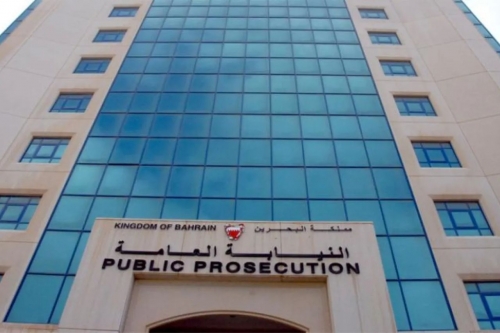
Bahrain prohibited its citizens from traveling to Iran and Iraq on Tuesday, June 2. The Ministry of Interior issued a public order for the ban, citing "ongoing tension in the current security situation" in those countries. This restriction will remain in force until further notice, according to the ministry's directive. The decision shows a heightened sense of caution within the Gulf nation regarding the safety of its citizens in areas currently deemed unstable. The public order, disseminated through official channels, clearly outlines the new travel prohibition, making it a legally binding directive for all Bahraini nationals.
Enforcement and Consequences
Authorities in Bahrain stated that legal action will be taken against individuals who breach the travel ban to Iran and Iraq. The Ministry of Interior emphasized that the prohibition is a security measure designed to protect Bahraini citizens from potential risks in regions experiencing ongoing tension. This directive means that any Bahraini found to have traveled to or attempted to travel to these two countries after the ban's implementation will face judicial consequences. The ministry has not yet specified the exact nature or severity of these legal actions, but the declaration shows the government's firm stance on enforcing the travel restriction. Compliance with the ban is mandatory for all citizens, and monitoring mechanisms are expected to be in place to identify violations. The potential legal ramifications serve as a strong deterrent, aiming to ensure adherence to the government's mandate for citizen safety. Further details regarding the enforcement protocols and penalties are anticipated as the ban remains in effect.
Regional Security Context
The United Arab Emirates implemented a similar travel restriction on April 30, 2026, prohibiting its nationals from traveling to Iran, Lebanon, and Iraq. This measure by the UAE preceded Bahrain's recent ban, indicating a broader concern among some Gulf states regarding regional stability. The restrictions align with a trend of heightened caution in the Middle East, particularly concerning travel to areas identified as having elevated security risks. The decision by Bahrain to issue its own travel prohibition reflects a shared assessment of the security landscape among key regional players. These coordinated actions suggest a collective effort to mitigate risks for their respective populations amidst a complex geopolitical environment.
Concerns about airspace safety have also been evident among international airlines. On January 15, European carriers including Wizz Air, Lufthansa, and British Airways were actively avoiding Iraqi and Iranian airspace. These diversions by major airlines suggest an assessment of potential risks in the air corridors over these nations, further showing the regional security challenges that have prompted travel advisories and bans from various governments. The operational adjustments made by these significant global airlines highlight a practical response to perceived threats, complementing the travel restrictions imposed by national governments.
Broader Implications
The travel restrictions imposed by Bahrain, following a similar move by the United Arab Emirates regarding Iran, Lebanon, and Iraq, suggest a coordinated regional response to perceived security threats. These actions reflect a growing apprehension among Gulf states about stability in the Middle East. The decisions by Bahrain and the UAE also align with the operational adjustments made by international carriers such as Wizz Air, Lufthansa, and British Airways, which have been avoiding Iraqi and Iranian airspace since January 15. The avoidance of certain air corridors by these airlines for safety reasons further notes the regional security challenges. Such measures by multiple actors show a collective assessment of potential risks, extending beyond individual national advisories to influence broader regional travel and operational decisions. The "ongoing tension in the current security situation" cited by Bahrain's Ministry of Interior for its ban on Tuesday, June 2, resonates with the broader concerns that have led to these multifaceted restrictions. As the restriction remains in force until further notice, the situation continues to be closely monitored by regional governments and international bodies alike.