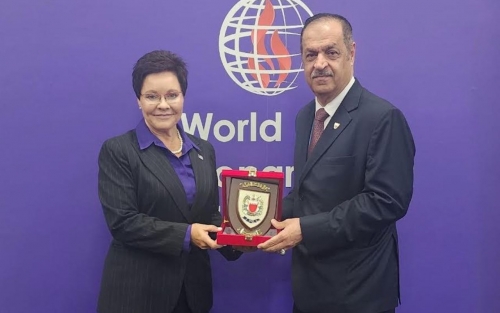
Brigadier Ali Mohammed Al Kubaisi, Director-General of Civil Defence, recently led a Bahraini delegation to the World Fire Congress held in the United Kingdom. The visit aimed to enhance Bahrain's fire safety protocols and emergency response capabilities through international collaboration. The delegation's participation shows Bahrain's commitment to adopting global best practices in civil defence and fire prevention. Engaging with international experts and reviewing advanced technologies at the congress is expected to contribute to the ongoing development of Bahrain's fire safety infrastructure and preparedness against potential hazards. This initiative is part of a broader strategy to safeguard lives and property across the Kingdom.
Congress Focus Areas
During the World Fire Congress, participants engaged in discussions covering various aspects of civil protection. The agenda included examining current challenges faced in fire safety and emergency response. Participants discussed challenges and developments in civil protection, prevention, and safety, noting the multifaceted nature of contemporary security concerns. Developments in prevention techniques and safety protocols were also key areas of focus. The congress served as a platform for delegates to share insights and explore advancements aimed at enhancing overall civil protection strategies. International experts and officials contributed to sessions that addressed both foundational principles and emerging trends in fire safety management globally, fostering a full understanding of the field.
Goals and Objectives
The World Fire Congress focused on bolstering international cooperation in fire prevention and firefighting, according to officials present at the event. Discussions during the sessions explored various methods to enhance collaborative efforts among participating nations. A primary objective was to facilitate the exchange of expertise, allowing delegates to share insights and learn from diverse global experiences in managing fire-related incidents. The congress aimed at promoting the adoption of advanced practices and technologies within the field. This included reviewing innovative techniques and strategies that could be integrated into national fire safety frameworks to improve overall effectiveness and response capabilities. The conference specifically explored ways to strengthen cooperation in fire prevention and firefighting, exchange expertise, and adopt advanced practices, laying the groundwork for future collaborative projects. Participants sought to identify common challenges and develop unified approaches to address contemporary fire hazards, thereby strengthening collective resilience against such threats. The emphasis on shared knowledge and advanced methodologies showed the event's commitment to advancing global standards in civil defence, ensuring that all participating nations could benefit from collective learning and innovation.
Expertise Exchange and Advancement
Several initiatives were launched during the World Fire Congress with the aim of developing firefighters’ skills and capabilities, according to attendees. These initiatives focused on enhancing their readiness to respond effectively to various emergencies. The programs were designed to introduce advanced techniques and foster a deeper understanding of modern fire safety practices. Several initiatives were launched to develop firefighters’ skills and capabilities and enhance their readiness to respond effectively to emergencies, reflecting a proactive approach to professional development. Participants engaged in specialized workshops and training sessions intended to improve operational efficiency and coordination during critical incidents. The emphasis was placed on practical application of new knowledge to strengthen emergency response protocols. This strategic focus aligns with broader efforts to ensure fire services are equipped with the most current expertise and resources, ultimately leading to more effective and safer outcomes in emergency situations.