Bahrain faces an urgent need to mobilize a broad national economic response involving government, private sector leaders, academics, and financiers to confront an escalating economic shock. This critical situation stems directly from regional tensions and disrupted trade routes, which have severely affected trade, tourism, and wider business activity in the country. The armed conflict involving Iran and continued disruptions in the Strait of Hormuz are key drivers of this significant impact. The closure of the Strait of Hormuz has exposed Bahrain’s economic vulnerability as a small, trade-dependent nation, noting the challenges faced by its vital sectors. Addressing the substantial scale of this disruption requires a collective national effort, moving beyond sole reliance on state aid. This full approach is deemed essential to navigate the complex economic landscape.
Economic Impacts Detailed
Freight costs in Bahrain have experienced sharp increases, contributing to a broader economic downturn that impacts various industries. Several sectors, including hospitality and logistics, are facing near-collapse conditions, according to recent reports. This severe impact is reflected dramatically in hotel occupancy rates, which have plummeted to levels as low as 2 percent in certain instances, indicating a significant drop in tourism and business travel. Small and medium-sized enterprises (SMEs) are under particular strain amidst the escalating shock. Many of these businesses lack professional risk management structures, rendering them especially vulnerable to the ongoing economic disruptions and making recovery particularly challenging for them. The combined pressures are creating significant challenges across various segments of Bahrain's economy, necessitating immediate and effective intervention. The disruption's magnitude shows the need for a unified and strategic response from all stakeholders.
Call for Collective Action
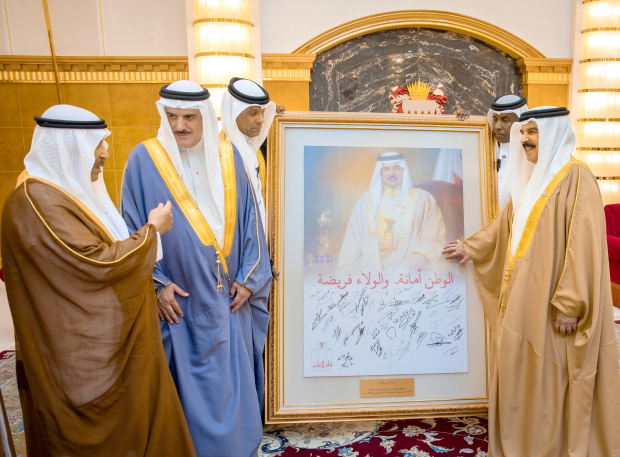
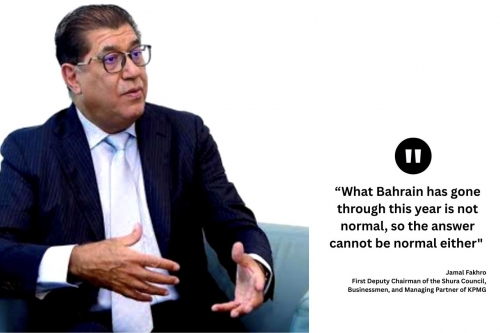
Jamal Fakhro, First Deputy Chairman of the Shura Council, emphasized the urgent need for Bahrain to accelerate a coordinated national response to address the profound impacts of the armed conflict involving Iran and the ongoing disruptions in the Strait of Hormuz. Mr. Fakhro stressed that the severity of the situation demands an unconventional approach, moving beyond traditional economic measures. "What Bahrain has gone through this year is not normal, so the answer cannot be normal either," he stated, showing the extraordinary nature of the current economic challenges. He further articulated that academics should play a more prominent and stronger role in formulating economic recovery strategies, bringing their expertise and innovative thinking to the forefront. Mr. Fakhro noted the importance of their contribution, saying, "Today we need academics, their influential voice and their ideas." He concluded by calling for national solidarity in addressing these pressing challenges, affirming, "The solution comes through unity." This call for unity extends to all sectors of society, recognizing that a fragmented approach will not suffice.
Unity and Expert Input
Jamal Fakhro, First Deputy Chairman of the Shura Council, called for the establishment of a national economic forum designed to foster collaboration and innovation. He envisioned this forum operating "like a beehive," bringing together a diverse group of stakeholders including bankers, traders, entrepreneurs, and academics to develop practical solutions that extend beyond immediate government support. Mr. Fakhro stressed that a united national effort could transform ideas from multiple sectors into workable economic strategies, ensuring a full and sustainable recovery. He previously emphasized the critical role of academic input, stating, "Today we need academics, their influential voice and their ideas," recognizing their capacity to offer fresh perspectives and data-driven solutions. This initiative aims to harness diverse expertise to address the country's economic challenges effectively. He concluded his remarks by showing the necessity of collective action for Bahrain's economic stability, affirming, "The solution comes through unity." This collective engagement is seen as critical to navigating the current economic storm and building a more resilient future for Bahrain.