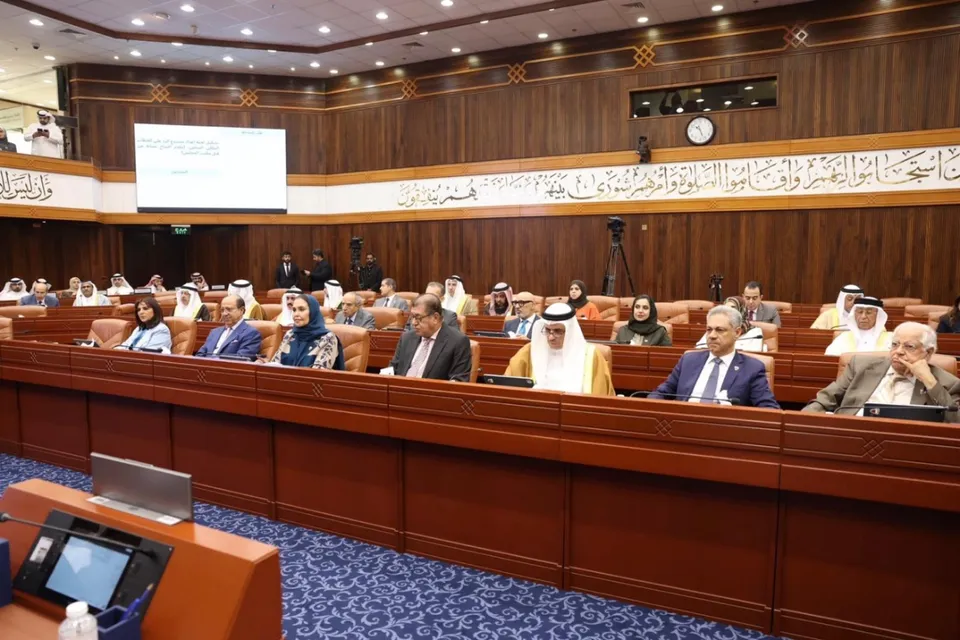
The government of Bahrain submitted a revised decree-law to the Shura Council on 22 October 2026. This legislation aims to amend Article 9 of the 1975 Passport Law to tighten eligibility requirements for special passports. Under the proposed changes, former members of parliament and former Shura Council members will no longer automatically receive these travel documents upon leaving office. The move shifts the existing criteria for passport issuance, removing the automatic entitlement previously granted to those departing their official roles. Officials presented the text for legislative review as part of the formal process to update the national regulatory framework governing travel documentation.
Revised Military and Judicial Criteria
Military and security officers in Bahrain must now hold the rank of major general or above to qualify for a special passport. This requirement replaces the previous threshold of brigadier, narrowing the pool of personnel eligible for the documentation.
Judicial eligibility for these travel documents also faces stricter regulations under the revised decree-law. Access is now limited exclusively to members of the Constitutional Court, Court of Cassation judges, and individuals holding equivalent posts within the judicial system. These changes represent a shift in the regulatory framework for public sector entitlements, moving away from broader issuance criteria for senior-ranking officials and judicial staff. The government submitted these specific modifications to the Shura Council on 22 October 2026 as part of the broader national review.
Exclusions for Former Elected Officials
Municipal council chairmen and their deputies are no longer entitled to special passports under the revised decree-law submitted to the Shura Council on 22 October 2026. Bahraini authorities removed these local government positions from the list of roles eligible for the documents. This update to the 1975 Passport Law ensures that individuals serving in municipal leadership capacities do not retain access to special travel credentials once their terms conclude. The shift aligns with broader governmental efforts to tighten issuance criteria across various public sector categories. By excluding these officials, the state narrows the scope of entitlement for non-parliamentary representatives. Future applicants for special passports must now meet higher institutional thresholds defined within the updated national regulatory framework.
Exceptions and Disciplinary Restrictions
Former Speakers of the Council of Representatives and former chairmen of the Shura Council retain their eligibility for special passports under the revised legislative framework. These specific leadership roles remain exempt from the broader eligibility restrictions applied to other former parliamentary members.
Individuals dismissed from their positions due to professional misconduct or those whose service concluded following a final court ruling face exclusion from the issuance of special passports. These measures prevent officials removed for cause from maintaining access to the travel documentation typically associated with their former ranks.
The Legislation and Legal Opinion Commission justified the implementation of these updates through a decree-law issued while the Parliament is not in session. Officials cited Article 38 of the Constitution to authorize this regulatory change during the legislative recess. This constitutional provision allows for the issuance of decrees that carry the force of law when the legislature is not sitting, provided the measures are subsequently presented for review.