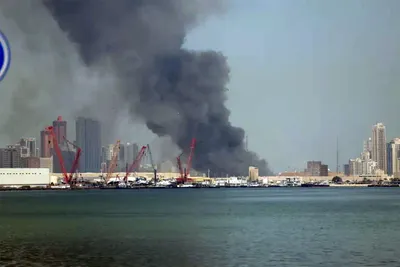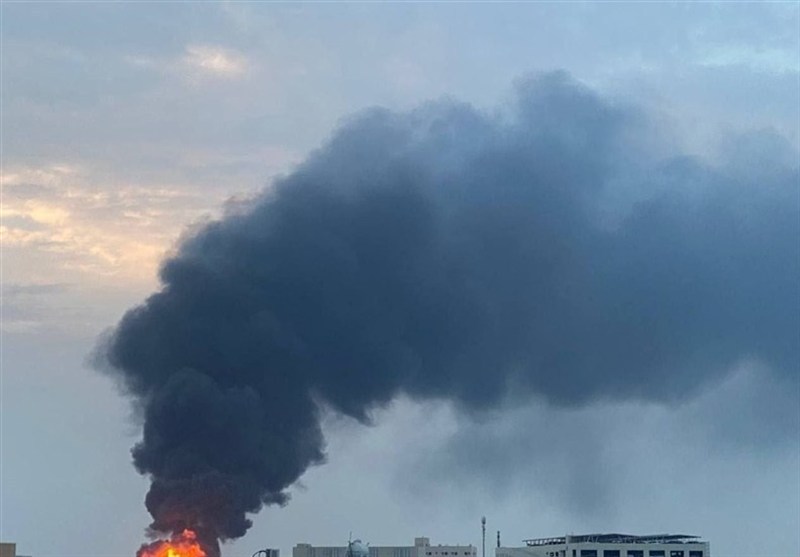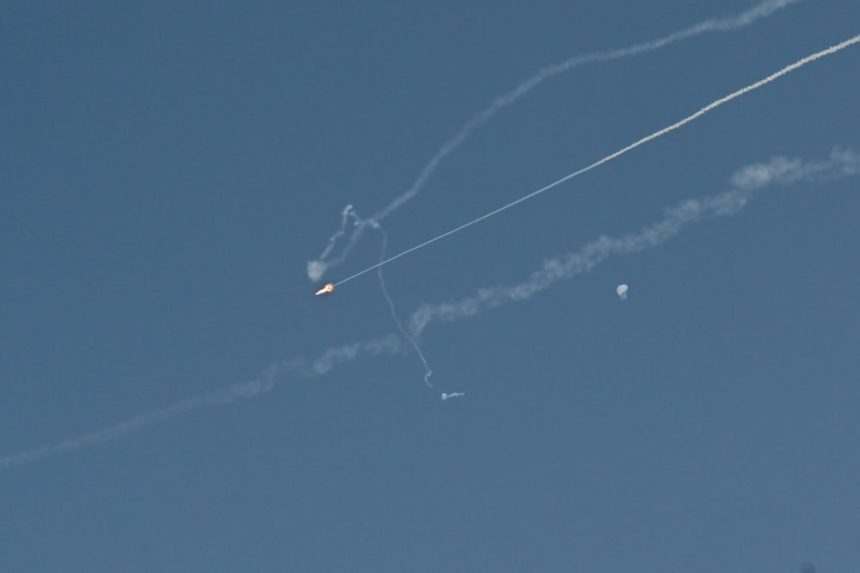
Bahrain’s General Command announced Monday that the kingdom’s air defense systems intercepted and destroyed a number of Iranian aerial targets. The interception occurred as the air defense systems successfully engaged the incoming aerial threats, neutralizing them before they could reach their intended locations. This swift and effective response showed the operational readiness of Bahrain's defense capabilities. This development was published and updated on July 13, 2026, at 4:39 PM. The General Command’s statement provided key details regarding the incident, emphasizing the successful engagement and destruction of the aerial threats.
Heightened State of Readiness
Bahrain’s armed forces maintain the highest level of defensive readiness as regional tensions persist. This posture is a direct response to the evolving security landscape in the Middle East. The General Command affirmed that Bahrain’s armed forces remain at the highest level of defensive readiness amid continuing regional tensions, ensuring the protection of national sovereignty and security. Military engineering units are prepared to address any unexploded ordnance that may be discovered following such incidents, noting a full approach to post-interception safety. These specialized units are trained to safely manage and dispose of any remnants, mitigating potential hazards to the public. The kingdom's defense posture emphasizes its unwavering commitment to safeguarding its airspace and territory against any aggression. This elevated state of alert follows recent events involving aerial targets and reflects a proactive approach to potential threats in the region, demonstrating Bahrain's vigilance in protecting its borders and population.
Public Safety Directives Issued
The General Command issued public safety directives, urging citizens and residents to exercise caution and avoid approaching any suspicious objects or debris that might result from the aerial interceptions. The statement instructed the public to report any such findings to the relevant authorities immediately, providing specific contact information for prompt response. The General Command urged citizens and residents to exercise caution, avoid approaching suspicious objects or debris from the attacks, and report them to the relevant authorities without delay. This measure is intended to ensure public safety following the recent aerial engagements and prevent any potential harm from unexploded ordnance or hazardous materials. The Bahraini authorities reiterated that attacks targeting civilians and civilian property with missiles and drones constitute a blatant violation of international humanitarian law. This position shows the kingdom's firm stance on the conduct of hostilities and the imperative protection of non-combatants and civilian infrastructure during times of conflict. The General Command emphasized the importance of adhering to these safety guidelines to protect lives and property.
Regional Context and Escalation
The announcement from Bahrain’s General Command concerning the interception of Iranian aerial targets arrives amidst a period of escalating military tensions across the region. This follows a series of Iranian attacks that have targeted several Arab countries, contributing to a volatile security environment. Concurrently, there has been a growing confrontation between the United States and Iran, further exacerbating the heightened state of alert throughout the Middle East. These developments show the complex geopolitical landscape in the Middle East, where various actors are engaged in an intricate web of security challenges and defensive measures. The recent interceptions by Bahrain's air defense systems reflect the ongoing efforts by regional nations to bolster their defenses against potential aerial threats originating from various sources. This situation has led to increased vigilance among allied forces and a collective focus on maintaining regional stability amid persistent security concerns. The broader context includes a history of various incidents contributing to the current atmosphere of tension, making such defensive actions by Bahrain a critical component of regional security.