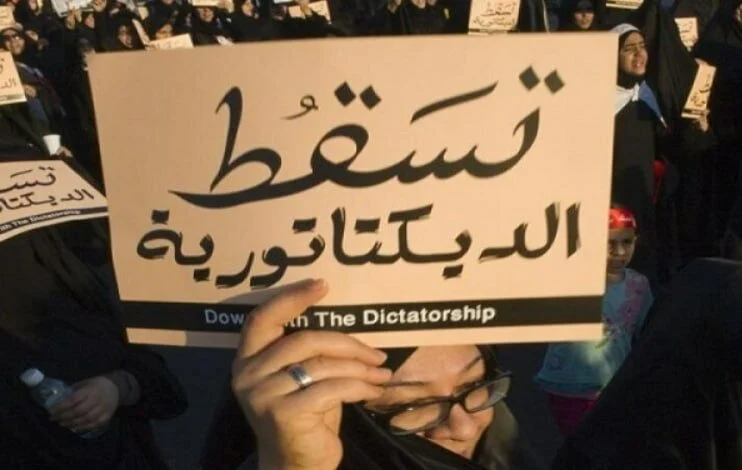
Bahraini security forces recently arrested several Shia Muslims after they participated in a mourning ceremony commemorating the martyrdom anniversary of Imam Jawad (AS). The detentions occurred in Bahrain following the religious observance, raising concerns among human rights advocates and the international community. The ceremony, a significant event in the Shia Islamic calendar, honors the ninth Imam of Shia Islam, Imam Muhammad al-Jawad (AS), whose martyrdom is solemnly observed by followers worldwide through processions, lectures, and mourning gatherings. These religious observances are deeply rooted in Shia tradition and are considered fundamental expressions of faith.
The Bahraini government has not yet provided specific details regarding the number of individuals arrested or the precise charges they face. This lack of transparency has led to increased apprehension among the affected communities and calls for clarification from official sources. The absence of official statements detailing the reasons for the detentions further fuels speculation and concern about the state of religious freedoms in the Gulf nation.
Summonses and Detentions Follow
Hundreds of Shia citizens have been summoned to court for investigation and interrogation following the recent events in Bahrain. These summonses represent a significant escalation in the authorities' response to the religious gatherings. Among those called to court was the head of a religious delegation based in the Maqaba area, according to reports. His summoning, alongside many others, shows the broad scope of the government's actions following the commemoration. The summonses are part of ongoing proceedings by Bahraini authorities, which have been widely interpreted as a crackdown on religious expression outside officially sanctioned parameters. The process of investigation and interrogation itself can be a daunting experience for citizens, often leading to further restrictions or legal action.
Background of Religious Restrictions
Authorities had previously limited mourning gatherings in Bahrain to Husseiniyas and other designated religious centers. This restriction meant that observances for religious events, including the recent commemoration of Imam Jawad (AS), were expected to take place within these specific venues. Such directives are part of a broader regulatory framework governing public assemblies and religious activities in the kingdom. Despite these official directives, some groups reportedly conducted processions and ceremonies outside the prescribed locations. These activities, held in public spaces beyond the confines of religious centers, occurred in defiance of the established government limitations on where such gatherings could be held. The decision by some community members to hold these events in public spaces notes a perceived need to express their faith openly, despite the known risks of infringing upon government regulations. This tension between traditional religious practices and state-imposed restrictions is a recurring theme in Bahrain's social and political landscape.
Criticism and Calls for Freedom
Tensions reportedly escalated between security forces and Shia citizens after the event, which subsequently led to widespread summonses and detentions. This escalation often arises when security forces intervene to disperse gatherings deemed unauthorized, leading to confrontations. Human rights observers and regional commentators have criticized Bahrain's ongoing restrictions on Shia religious rituals. These groups argue that the limitations infringe upon fundamental freedoms, including the right to freedom of religion, expression, and peaceful assembly, as enshrined in international human rights covenants. Activists are calling for the protection of religious freedoms and the right to hold cultural and religious observances without interference in Bahrain. They emphasize the importance of allowing communities to practice their faith and traditions freely, without fear of reprisal or legal action. The detentions and summonses have intensified calls for international attention to the situation, with human rights organizations urging global bodies to pressure Bahraini authorities to respect the religious rights of all its citizens. The ongoing monitoring of the situation by international observers reflects the significant concern surrounding these developments.