United World Wrestling (UWW) has postponed the 2026 World Championships, which were scheduled to be held in the Kingdom of Bahrain from October 24 to November 1, 2026. The decision comes amid prevailing geopolitical concerns in the Gulf region, though specific details about the nature and extent of these concerns were not immediately available beyond the general assessment of regional instability. The UWW’s move means the prestigious international wrestling event will not proceed as planned in its originally designated location and timeframe, marking a significant change for the global wrestling calendar. Further announcements regarding a new host or revised dates are expected from the wrestling governing body in the coming months, as it works to secure an alternative venue.
Reasons for Postponement
The postponement of the 2026 World Wrestling Championships stems directly from the prevailing geopolitical situation in the Gulf region. This includes uncertainty surrounding ongoing conflicts and their potential impact on regional stability and international travel, factors deemed critical for the successful staging of a major global sporting event. United World Wrestling (UWW) cited these complex and evolving factors as central to its decision-making process. The organization explicitly stated that the safety, confidence, and overall experience of all participants are considered the highest priority. This full commitment encompasses athletes, officials, national delegations, commercial partners, and dedicated fans, ensuring that any event proceeds without undue risk or disruption to their well-being or travel plans. The UWW's proactive move reflects a cautious and responsible approach to organizing major international sporting events amid complex and sensitive regional dynamics, prioritizing the integrity of the competition and the welfare of all involved. The decision was made to avoid any potential complications that could arise from the current climate.
Bahrain's Commitment and Future
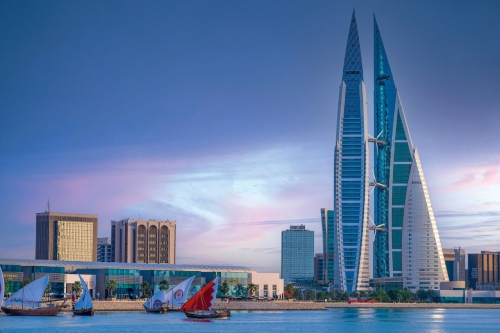
The Kingdom of Bahrain was initially scheduled to host the 2026 World Wrestling Championships, having successfully bid for the event. Despite the unfortunate postponement, Bahrain maintains its full commitment to staging world-class sporting events, according to official statements from the nation's sporting authorities. This unwavering commitment shows its continued interest in attracting and hosting significant international sports competitions, despite the current geopolitical considerations affecting the broader region. Bahrain has a proven track record of hosting various international events and remains dedicated to its role on the global sports stage. Further updates regarding revised dates for the championships and new hosting considerations will be communicated in due course by United World Wrestling and other involved parties. These forthcoming announcements are expected to provide much-needed clarity on the future location and timing of the rescheduled event, aligning with Bahrain's stated dedication to hosting significant international competitions and its ongoing efforts to promote sports within the kingdom.
UWW's Stance and Next Steps
United World Wrestling (UWW) formally announced the decision to postpone the championships in a statement released on Friday. The organization emphasized that this decision was made early and transparently, ensuring all stakeholders were informed promptly. UWW indicated that this proactive approach aims to provide sufficient time to identify and secure a new host for the 2026 World Wrestling Championships, allowing for thorough planning and preparation. The governing body's statement did not specify potential alternative locations or new dates but showed its commitment to rescheduling the event at a suitable venue and time. Further details regarding the revised competition schedule and the selection of a new host nation are expected to be provided in future announcements from UWW, as it works diligently to ensure the championships can proceed successfully. The UWW’s early communication is intended to minimize disruption for national federations, athletes, and their support teams, enabling them to adjust their training and competition schedules accordingly.