Bahrain announced on Saturday it would not participate in a proposed meeting between Iran and Gulf states to discuss the Strait of Hormuz. The meeting was slated to take place in Oman. Manama's decision comes amid ongoing regional tensions concerning maritime security in the vital oil shipping lane. The Gulf state did not provide specific reasons for its refusal to attend the Omani-hosted talks, beyond its standing policy regarding diplomatic engagement with Tehran.
Bahrain's Stance Explained
Bahrain's foreign ministry stated it maintained its commitment to dialogue, but would not participate in any collective meeting involving Iran. Manama's position is that it "will not be a party to any collective meeting that includes Iran before the resumption of diplomatic relations between the two countries," according to the ministry. This stance reflects the ongoing diplomatic freeze between the two nations, as Bahrain cut its diplomatic ties with Iran in 2016. The Kingdom of Bahrain's decision to sever diplomatic relations with Iran in 2016 followed attacks on Saudi diplomatic missions in Iran, an event that significantly strained regional ties.
The recent proposal for a meeting comes amid broader regional instability. The Middle East war, which began in late February, was initiated by the United States and Israel, further complicating regional diplomatic efforts and adding layers of complexity to existing geopolitical challenges. Bahrain's foreign ministry emphasized its dedication to fostering stability and security in the region through appropriate diplomatic channels, while reiterating its firm position on direct engagement with Iran.
Regional Dynamics and Diplomacy
Manama is yet to restore diplomatic ties with Iran, a position that contrasts with recent regional developments. Saudi Arabia, a key Gulf ally, restored its diplomatic relations with Iran in 2023. That reconciliation followed years of severed ties between Riyadh and Tehran, and was brokered with Chinese mediation. This rapprochement between Riyadh and Tehran marked a significant shift in regional diplomacy, raising questions about the pace and direction of other Gulf states' relations with Iran.
Bahrain has maintained its stance that it will not engage in collective diplomatic forums with Iran until bilateral relations are formally re-established. The Kingdom of Bahrain severed its diplomatic links with Iran in 2016, following attacks on Saudi diplomatic missions in Iran. This decision by Bahrain shows the differing approaches among Gulf Cooperation Council members regarding engagement with Tehran on regional security matters. The Kingdom's consistent position notes its cautious approach to re-establishing full diplomatic ties, preferring a bilateral resolution before participating in multilateral forums that include Iran.
Concerns Over Strait of Hormuz
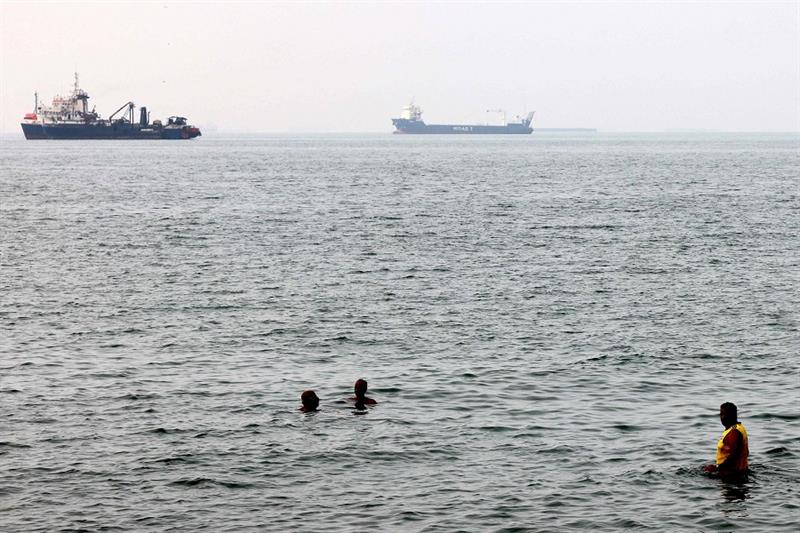
The Strait of Hormuz is vital for global oil and gas flows, showing its strategic importance for international energy markets. Tehran has been pushing to formalize its control over the waterway, according to reports. This includes proposals to potentially charge fees for passage through the strait. Iran's efforts to assert greater authority over the key maritime chokepoint have raised concerns among regional and international observers regarding freedom of navigation and the potential impact on global trade. The strait is a key transit route for a significant portion of the world's seaborne oil and liquefied natural gas, making any disruption or change in its status a matter of international concern.
Official Statements and Reasoning
Iran's foreign ministry had previously announced that a meeting concerning the Strait of Hormuz would be hosted by Muscat on Monday. This announcement had set expectations for a multilateral discussion on the critical waterway. Before the Middle East war, the strait was freely accessible to shipping from all nations, a status that allowed unhindered passage for international maritime traffic and was key for global commerce. The current regional climate, exacerbated by the ongoing conflict, has intensified scrutiny on the security and accessibility of such vital maritime routes.