Bahrain is strengthening its position as a regional healthcare hub by expanding digital health services, investing in medical innovation, and adopting advanced technologies. The Kingdom aims to enhance its medical infrastructure through these initiatives, positioning itself at the forefront of medical advancements in the Middle East. This strategic development is underpinned by a commitment to integrating advanced solutions and fostering a strong healthcare ecosystem. The Ministry of Health stated it continues to develop healthcare services in line with international scientific practices, ensuring that the nation's medical provisions meet global benchmarks for quality and effectiveness. This ongoing commitment to development reflects Bahrain's dedication to providing its citizens with access to world-class medical care. This strategic alignment of Bahrain's healthcare offerings with global standards and technological advancements is positioning the nation as a key player in regional medical innovation. The concerted efforts span various sectors, from policy-making to direct patient care, all aimed at creating a resilient and forward-looking healthcare system.
Pioneering Genomic and Digital Health Initiatives
A key component of Bahrain’s full healthcare transformation is the National Genome Program, which has supported significant advances in preventive and personalized medicine. This ambitious program shows Bahrain's commitment to leveraging genetic insights for improved health outcomes. The National Genome Program has contributed substantially to the expansion of digital health services, facilitating more efficient and accessible healthcare delivery. It has been instrumental in the development of sophisticated technology-supported epidemiological surveillance systems, which are key for monitoring public health trends and responding effectively to health challenges. The program also champions the innovative use of genomic data to support early disease detection and prevention, allowing for proactive health interventions. To broaden its impact and accessibility, Bahrain has expanded access to national genome screening through its eGovernment portal, making these vital services more readily available to the population. In a further commitment to early intervention, the Kingdom also introduced a newborn genome screening program. This initiative aims to facilitate the early identification of genetic and rare diseases, providing key information that supports more precise, personalized treatment plans from the earliest stages of life. The integration of genomic data into routine healthcare marks a significant step towards a truly personalized medical approach in Bahrain.
The National Health Regulatory Authority (NHRA) plays a key role in this digital transformation, having expanded its use of digital systems and data to improve oversight and support informed decision-making across the healthcare sector. These digital advancements enhance regulatory efficiency and transparency. NHRA initiatives include the Madar system, which provides full data related to medical devices, ensuring their safety and efficacy within the market. Another critical digital tool is the Drug Tracking System, which meticulously monitors the distribution and use of medicines, bolstering pharmaceutical security and preventing misuse. Beyond these operational systems, the NHRA’s National Accreditation Program further provides essential data and indicators on the accreditation status of hospitals and healthcare institutions. This program rigorously assesses their compliance with approved international standards, ensuring that all healthcare providers in Bahrain meet high levels of quality and safety. The continuous monitoring and evaluation facilitated by these digital tools are fundamental to maintaining and elevating the standards of healthcare delivery throughout the Kingdom.
Advanced Medical Treatments and Infrastructure
The Royal Medical Services of the Bahrain Defense Force has significantly expanded its adoption of advanced medical technologies, indicating a strategic focus on integrating advanced solutions into its healthcare provisions. This expansion complements the institution's ongoing efforts to enhance its medical infrastructure and treatment capabilities, ensuring that it remains at the forefront of medical care. The Royal Medical Services has also proactively strengthened partnerships with leading hospitals, medical centers, and research institutions worldwide. These collaborations are designed to foster invaluable knowledge exchange, facilitate joint research initiatives, and ensure that Bahraini medical professionals have access to the latest global expertise and best practices. These international partnerships are a key part of a broader strategy to continuously elevate the quality and scope of medical services available in Bahrain.
In a significant medical development that shows Bahrain's growing capabilities, the Royal Medical Services announced the successful treatment of a Bahraini citizen using Casgevy gene therapy. This new treatment marks a notable advancement in the therapeutic options available within Bahrain, showcasing the nation's capacity to deliver highly specialized and innovative medical interventions. The Casgevy treatment, previously announced by the Royal Medical Services, employs advanced CRISPR/Cas9 gene-editing technology, representing a significant leap forward in genetic medicine. This successful application of advanced gene therapy notes Bahrain's commitment to bringing pioneering medical solutions to its population.
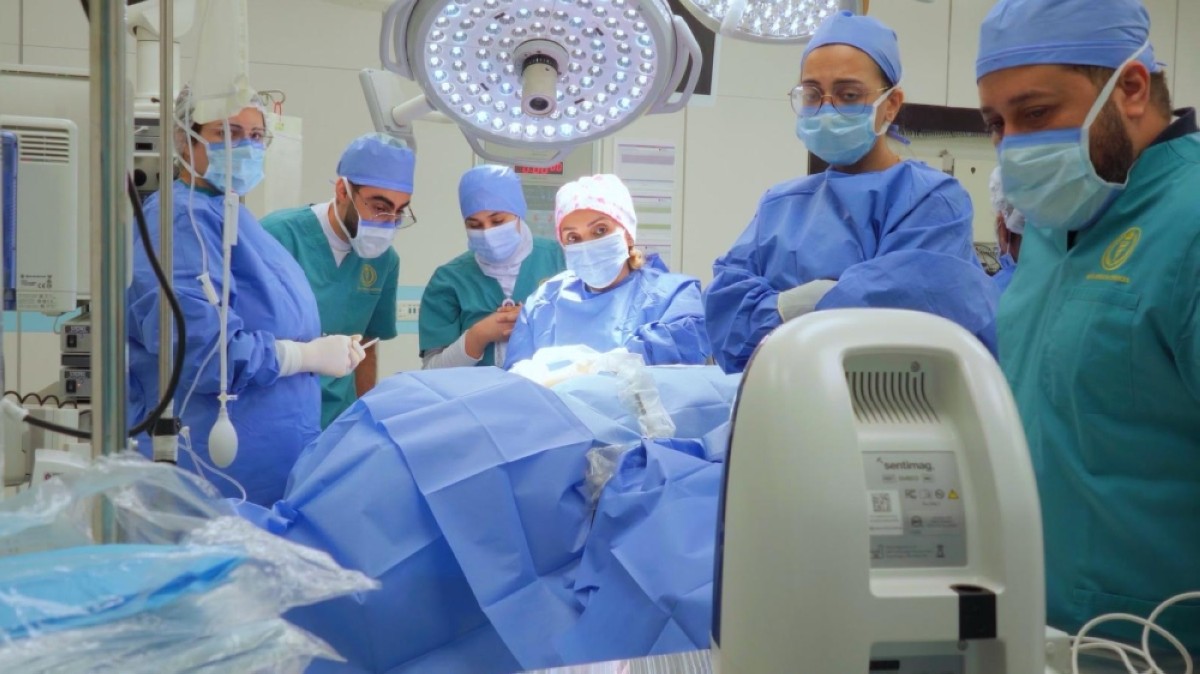
Further enhancing its specialized treatment offerings, the Royal Medical Services also recently inaugurated an advanced GEN-3 breast surgery system. This represents a new and highly advanced capability for surgical interventions, particularly in the field of oncology. This GEN-3 breast surgery system is described as the first center of its kind in Bahrain, establishing a specialized facility dedicated to full breast cancer treatment. The inauguration of this system signifies a major enhancement in the Kingdom's ability to provide advanced care for breast cancer patients.
The GEN-3 system incorporates Magseed technology, a sophisticated tool utilized to precisely locate non-palpable tumors. This technology allows for highly accurate targeting during surgical procedures, significantly enhancing the precision of tumor removal and minimizing damage to surrounding healthy tissue. Additionally, the GEN-3 system employs Magtrace technology to assist in identifying the sentinel lymph node. This feature is key for accurately assessing cancer spread, providing vital information that guides subsequent treatment decisions, and contributing to more tailored and effective patient care. The integration of these advanced technologies within the GEN-3 system shows Bahrain's dedication to providing the most effective and least invasive surgical options for its patients.
Strategic Vision and Future Outlook
Bahrain’s full healthcare development is meticulously guided by the visionary leadership of King Hamad bin Isa Al Khalifa. This overarching vision is further supported by the diligent government efforts led by Prince Salman bin Hamad Al Khalifa, Crown Prince and Prime Minister, who actively champions the advancement of the nation's healthcare sector. Government plans are strategically focused on several key pillars: driving digital transformation across all healthcare services to enhance efficiency and accessibility; making significant investments in qualified national personnel to build a highly skilled local workforce; strengthening pharmaceutical security to ensure a reliable and safe supply of medications; and actively pursuing and obtaining international accreditations to validate the high standards of Bahrain's medical institutions. These concerted efforts are designed to establish a strong, sustainable, and internationally recognized healthcare system.
The Kingdom’s overarching healthcare strategy places a strong emphasis on the development of sustainable infrastructure and the cultivation of adequate human resources, all in line with the ambitious objectives outlined in Bahrain Economic Vision 2030. This long-term vision aims to create a diversified, sustainable economy, with healthcare playing a key role. To further support this vision and ensure the long-term viability of its healthcare system, the Health Insurance Fund (Shifa) was established. This fund is specifically designed to support the quality and sustainability of healthcare services by providing a stable financial foundation. It also aims to improve resource utilization across the sector and effectively address the various challenges facing the healthcare system, ensuring continuous improvement and resilience. In a broader strategic move, Bahrain is also actively strengthening cooperation with international organizations, prestigious universities, and leading research centers as part of its ongoing strategic development. These collaborations facilitate the exchange of knowledge, foster innovation, and integrate global best practices into Bahrain's evolving healthcare landscape, reinforcing its position as a regional leader in medical innovation and patient care.