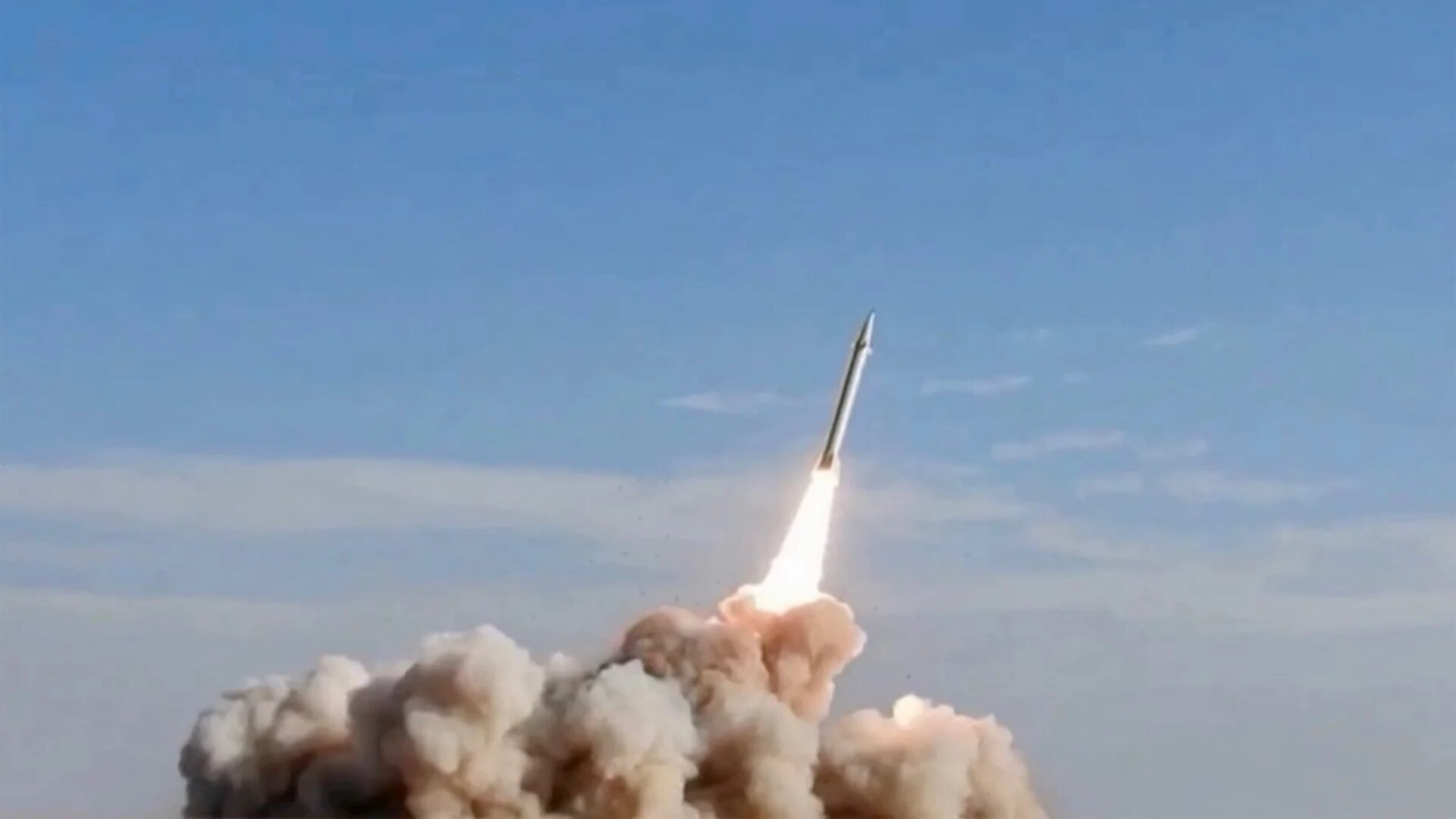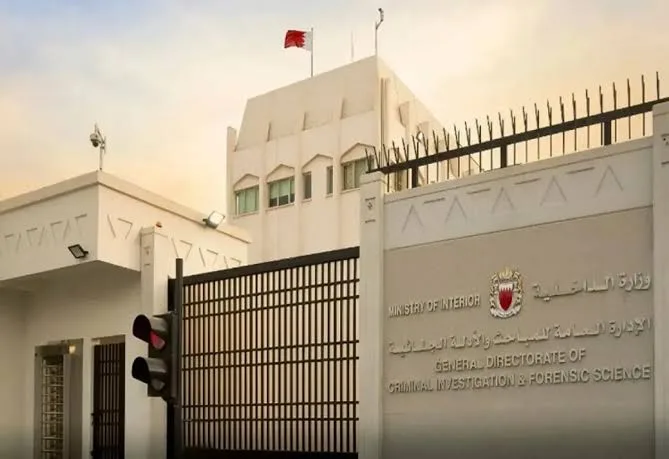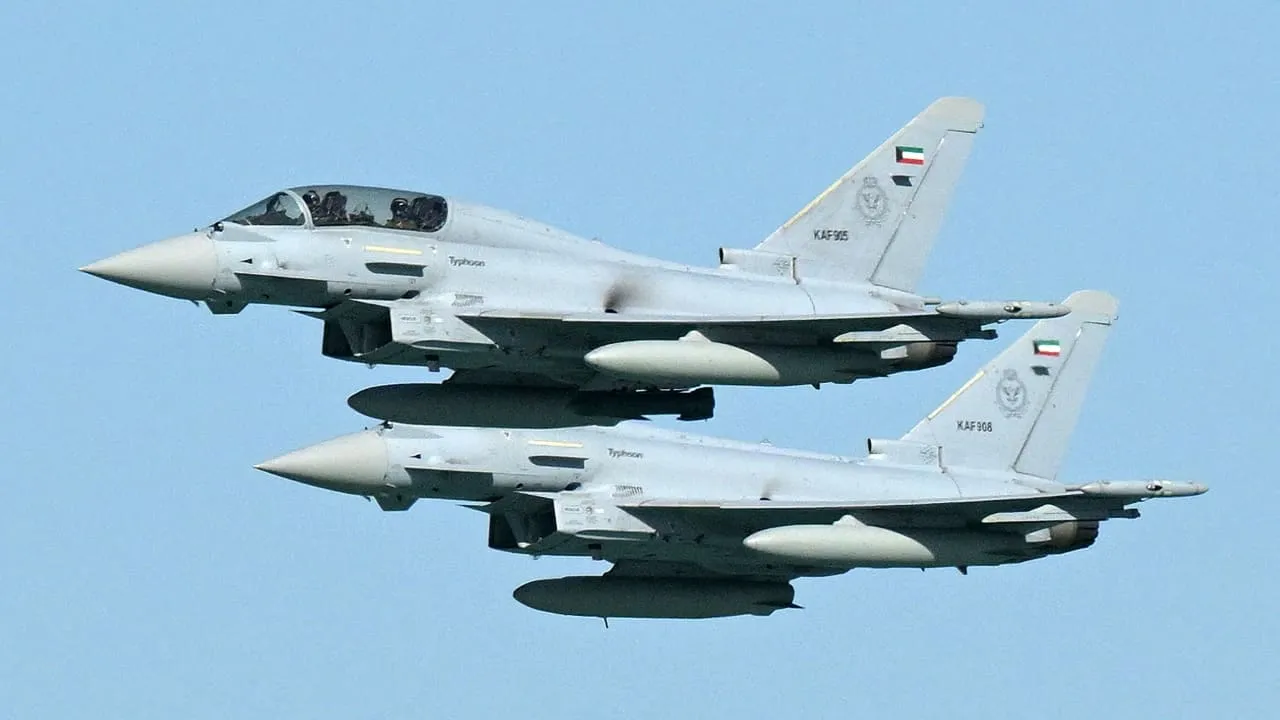
Bahrain and Kuwait secretly deployed fighter jets to conduct airstrikes targeting locations within Iran, according to recent reports. These covert military operations, which involved military aircraft from both Gulf nations, were first disclosed by The Wall Street Journal. The publication noted the clandestine nature of these missions, noting that they were carried out with a high degree of secrecy. While the Wall Street Journal reported on these significant events, it did not provide specific dates for the strikes or intricate details on the precise locations or types of targets hit inside Iran. Consequently, the full scope and underlying motivations behind these unprecedented clandestine missions remain largely unclear to the public and international observers.
Details of the Strikes
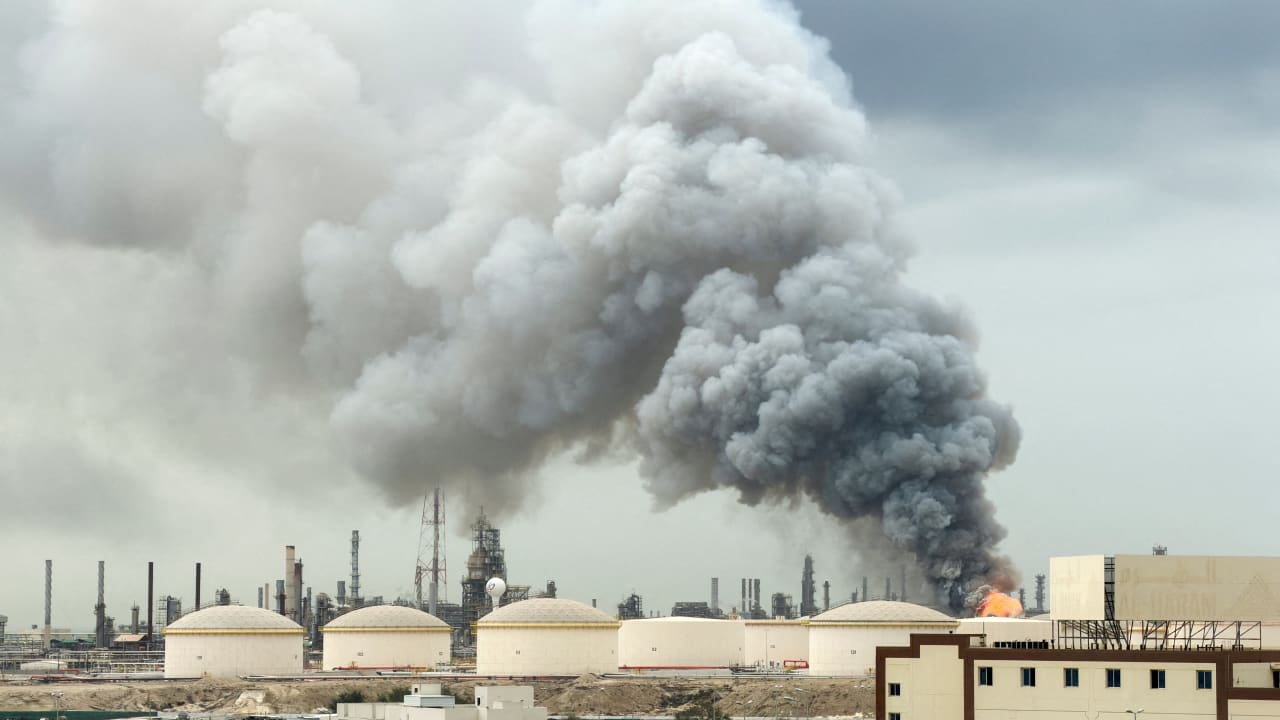
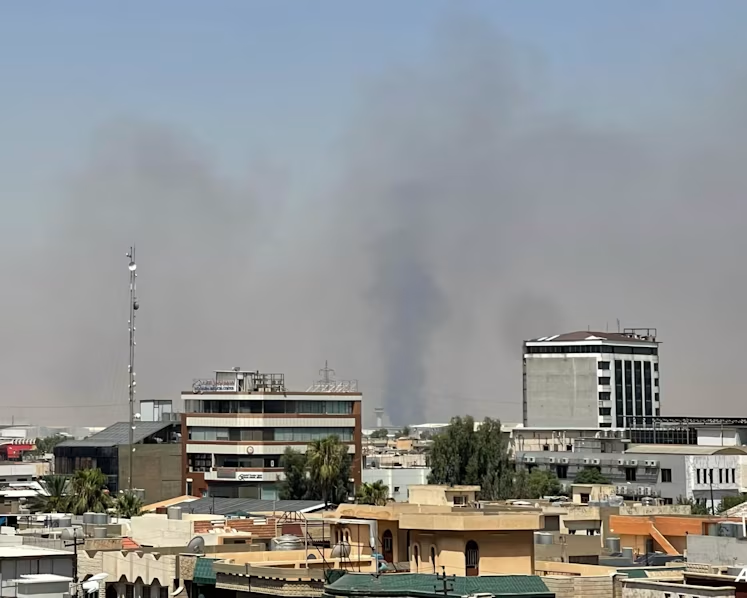
The airstrikes, carried out earlier this month, primarily targeted drone and missile storage facilities within Iran. These critical infrastructure sites, essential for Iran's military capabilities, were central to the objectives of the covert operations. Beyond these specific storage facilities, other military sites were also among the objectives of the missions undertaken by the Gulf nations. The Wall Street Journal reported unequivocally that Bahraini and Kuwaiti military aircraft were actively involved in these operations, flying into Iranian airspace to execute the strikes. Despite the confirmation of their involvement and the nature of the targets, the specific geographical locations within Iran that were struck have not been publicly disclosed, maintaining an element of mystery around the precise impact of these actions.
Regional Context and Alliances
These recent actions by Bahrain and Kuwait are not isolated incidents but rather fit into a broader pattern of regional military coordination. Saudi Arabia, a key regional power, participated alongside the United Arab Emirates in earlier strikes against Iran during an initial phase of the conflict, indicating a history of joint military endeavors. For the more recent operations involving Bahrain and Kuwait, the United Arab Emirates played a key supporting role. The UAE offered vital intelligence regarding the specific targets for the recent operations, providing actionable data that informed the strike planning. Additionally, the UAE provided defensive air cover for the aircraft involved in the airstrikes, ensuring the safety and operational success of the Bahraini and Kuwaiti jets. These actions collectively show the evolving and deepening military coordination among regional partners in response to perceived threats emanating from Iran. This collaborative approach notes a shared strategic interest in addressing regional security concerns.
Significance and Implications
The recent airstrikes represent a significant escalation, marking Bahrain and Kuwait's first direct retaliatory action undertaken against Tehran. This development indicates a notable and potentially long-lasting shift in the foreign policy approaches of these two Gulf nations, moving away from previous diplomatic postures. Historically, Oman and Qatar have maintained a more balanced diplomatic stance within the region, pursuing policies that engage both Iran and Western powers. These countries have consistently shown little willingness to confront Tehran directly, opting instead for mediation and dialogue, which stands in stark contrast with the direct military actions now attributed to Bahrain and Kuwait. The strikes could therefore signal a new and more confrontational phase in regional dynamics, moving beyond previous diplomatic or proxy engagements to a more direct military posture. This shift could have profound implications for the stability and security architecture of the Middle East.