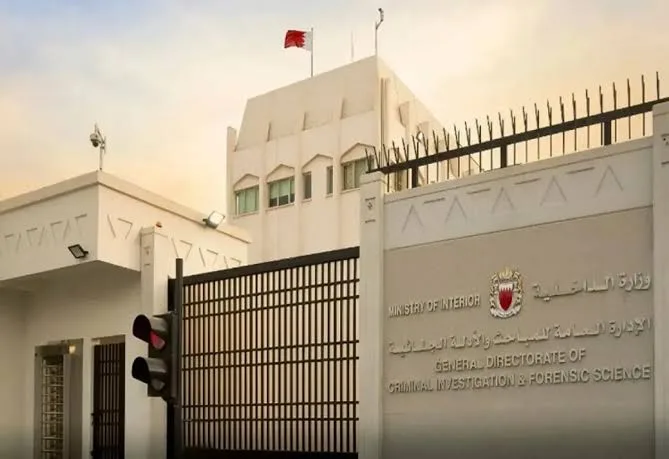
The Bahraini Ministry of Interior announced the activation of sirens across the country as a precautionary measure amid escalating regional tensions. This significant public safety announcement was made as a direct response to the heightened geopolitical climate in the Middle East. The Ministry confirmed that the public alert system was tested to ensure its full operational readiness for potential emergencies, showing a proactive approach to national security. The sounding of sirens across the nation served as a tangible indicator of the government's commitment to protecting its citizens and residents during a period of increased uncertainty.
The Ministry further emphasized the critical importance of following developments and news exclusively through official channels. This directive aimed to prevent misinformation and ensure that the public received accurate and verified information directly from government sources. Bahraini authorities urged all citizens and residents to rely solely on government statements for accurate information, actively discouraging the spread of rumors or unverified reports during this period of heightened regional awareness. This call for media discipline notes the sensitive nature of the current situation and the potential for destabilizing narratives to emerge. The full activation and testing of the siren system, coupled with clear communication guidelines, reflect Bahrain's concerted efforts to maintain order and public safety amidst the evolving regional dynamics.
Iran's Retaliatory Strikes
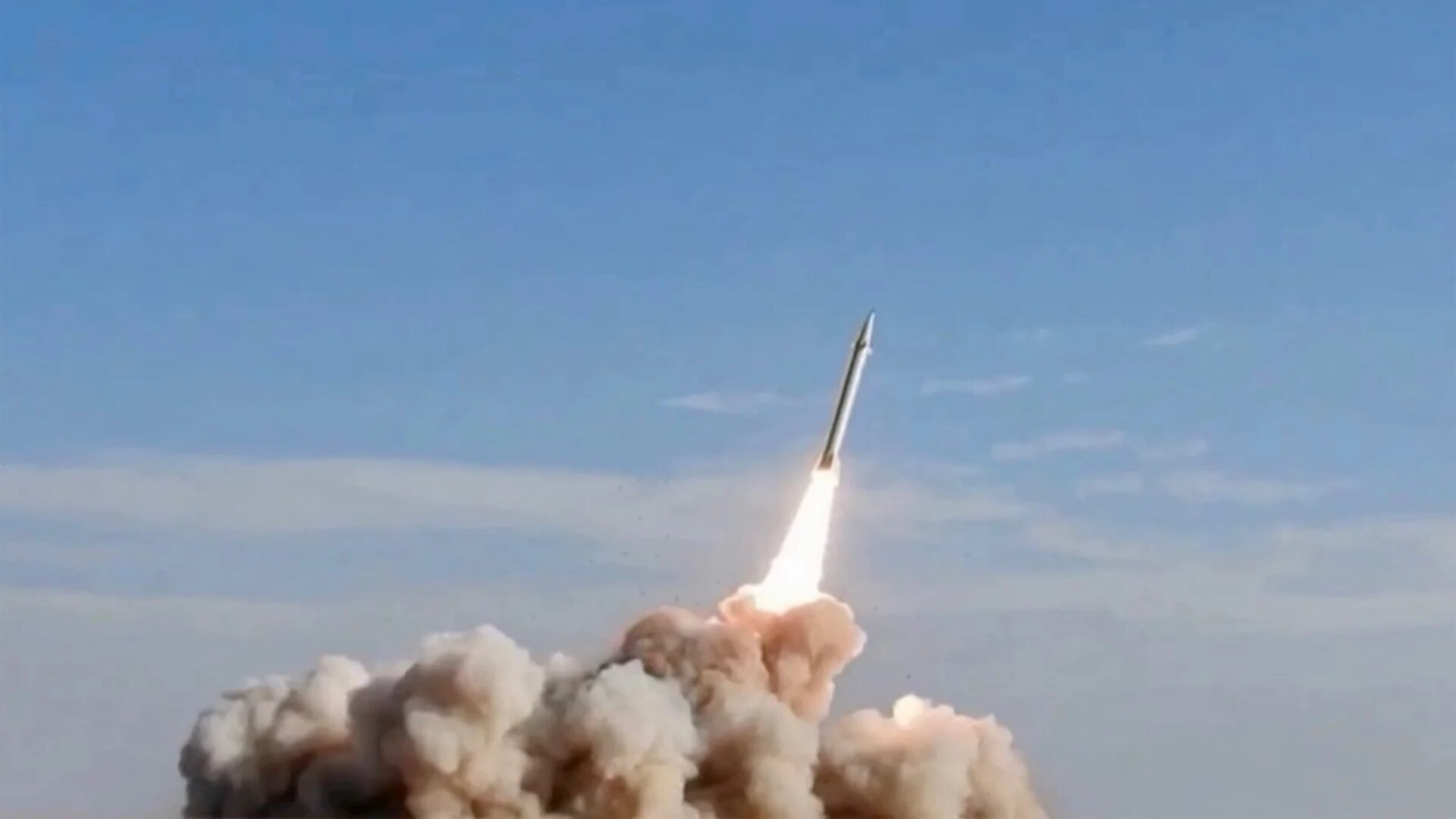
In a significant escalation, Iran announced a military response targeting US bases in both Kuwait and Jordan. On Thursday morning, Iran stated it had launched a series of drone attacks on military sites in the two countries, marking a direct retaliatory action in the ongoing regional conflict. The Iranian government specified that its forces had targeted US ammunition depots and logistics sites at Camp Doha in Kuwait, indicating a deliberate focus on military infrastructure. These strikes represent a clear demonstration of Iran's intent to respond to perceived aggressions and project its military capabilities within the region.
Additionally, Iran claimed to have targeted fuel tanks at Ali Al Salem Air Base, also located in Kuwait, further illustrating the breadth of its reported drone operations. Another reported target in Kuwait was an ammunition depot at Camp Arifjan, suggesting a coordinated effort to disrupt and degrade US military assets stationed in the country. The targeting of multiple strategic locations within Kuwait shows the severity of the Iranian response. In Jordan, US military equipment was reportedly destroyed, including sophisticated THAAD and Patriot missile defense systems. These advanced defense systems are key for protecting against ballistic missile threats, and their alleged destruction would represent a significant blow to US defensive capabilities in the region. A C-RAM radar, designed to counter rockets, artillery, and mortars, and a helicopter hangar were also among the destroyed assets in Jordan, according to Iranian claims. The wide array of targets, from fuel depots to advanced missile defense systems, points to a full and impactful series of drone strikes orchestrated by Iran.
US Intensifies Attacks
The United States initiated new strikes against Iran on Wednesday night, marking a significant escalation in regional military activity. These operations followed previous engagements in the ongoing tensions, indicating a sustained and intensifying campaign. The US military later announced that its forces had completed the latest round of intensive strikes against Iranian targets. These concentrated attacks aimed to degrade specific capabilities linked to Iran's military infrastructure, signaling a strategic objective to diminish Tehran's operational capacity. The detailed planning and execution of these strikes reflect the US commitment to responding to regional threats and protecting its interests.
The US strikes, characterized by their intensity, lasted for a duration of five hours. This prolonged period of engagement indicates a concerted effort to achieve strategic objectives and inflict substantial damage on Iranian military assets. The sustained nature of the attacks suggests a thorough and systematic approach to targeting. US Central Command (CENTCOM) released specific details regarding the targets of these raids, providing insight into the strategic priorities of the US military. CENTCOM confirmed that the operations specifically targeted naval capabilities, aiming to reduce Iran's maritime operational capacity and control over vital waterways. Additionally, missile and drone storage facilities were hit, intended to diminish Iran's offensive weaponry and its ability to launch future attacks. Coastal surveillance sites, key for monitoring regional movements and detecting threats, were also among the targets, seeking to blind Iran's situational awareness. Finally, air defenses were struck, seeking to reduce Iran's ability to protect its airspace and assets, thereby potentially opening avenues for future aerial operations if deemed necessary. These targeted strikes collectively represent a strong effort to dismantle key components of Iran's military infrastructure and project US power in the region.
Regional Spillover and Warnings
As regional tensions mount, the Bahraini Ministry urged all citizens and residents to immediately seek shelter at the nearest safe location upon hearing the sirens, reinforcing the critical message of preparedness and safety. This instruction shows the potential for rapid developments and the need for immediate protective action. Meanwhile, the Houthis in Yemen announced they had targeted two Saudi oil tankers traversing the Red Sea, demonstrating the broadening geographical scope of the conflict and the involvement of proxy groups. This action further complicates maritime security in a key global shipping lane. In a separate development, the Kuwaiti military announced its air defenses had intercepted "hostile drones," indicating that its airspace had been penetrated by unidentified aerial threats. The Kuwaiti military described the incident as a "heinous Iranian aggression," directly attributing the attack to Tehran and raising concerns about direct state-on-state confrontation. This accusation from Kuwait notes the direct impact of the conflict on neighboring states and the perception of Iran's role in regional destabilization. Concurrently, the Iranian Revolutionary Guard Corps (IRGC) claimed to have destroyed US military equipment located in Jordan, further indicating a broadening scope of regional engagements and a direct challenge to US presence. These multiple, simultaneous incidents across different nations show the widespread and interconnected nature of the escalating conflict.
Broader Context and Outlook
The naval blockade imposed on Tehran has resumed, adding another layer to the ongoing regional tensions and further isolating Iran economically and militarily. This resumption signifies a tightening of international pressure on Iran's maritime activities and its ability to conduct trade or project naval power. These developments come as US forces had targeted dozens of Iranian military sites on land during July, establishing a precedent for sustained military engagement against Iranian assets. The recent strikes marked the twelfth consecutive night of attacks, indicating a sustained operational tempo in the region and a clear pattern of continuous military pressure exerted by the United States. This prolonged period of engagement notes the intensity and persistence of the current conflict, moving beyond isolated incidents to a more continuous state of military confrontation. The cumulative effect of these actions, from naval blockades to consecutive nights of strikes, paints a picture of a deeply entrenched and escalating regional conflict with broad implications for stability and security in the Middle East. The international community watches closely as these events unfold, with concerns growing over the potential for further escalation and broader regional instability.