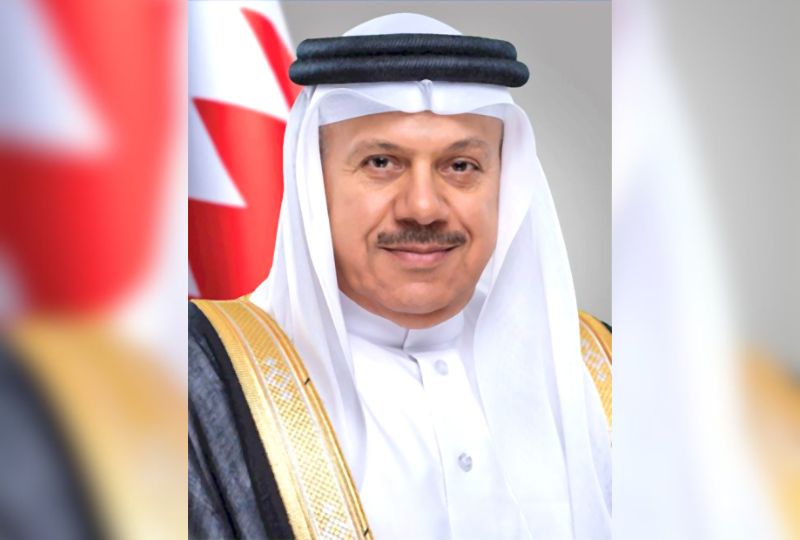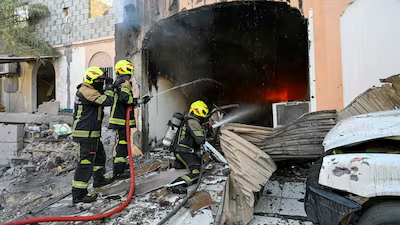
Bahrain has accused Iran of orchestrating a sustained campaign of attacks targeting civilian infrastructure across the Arabian Gulf. The Bahraini government stated that these actions represent a significant threat to regional security. Mr. Abdullatif Al Zayani, a key figure in the Bahraini government and its Foreign Minister, specified that some of these attacks struck a water desalination plant, residential neighborhoods, and other civilian sites. These accusations show a growing concern among Gulf states regarding Iran's alleged regional activities. The Bahraini government has consistently maintained that these acts constitute a direct challenge to the stability of the Arabian Gulf.
Scale of Attacks Detailed
Bahrain has recorded 808 attacks since February 28, according to government statements. These incidents involved 203 ballistic missiles and 605 drones targeting various sites within the kingdom. The sheer volume and sophistication of these attacks have raised alarms about the security of critical infrastructure and civilian populations. Bahrain has submitted documentation of every attack to UN Secretary General Antonio Guterres and the council, detailing the scope and nature of the assaults. This full documentation aims to provide international bodies with irrefutable evidence of the alleged aggression. The government also reported that some attacks specifically targeted Kuwait International Airport, indicating a broader regional impact beyond Bahrain's immediate borders. The targeting of an international airport further notes the potential for these incidents to disrupt global travel and trade routes.
International Reactions and Accusations
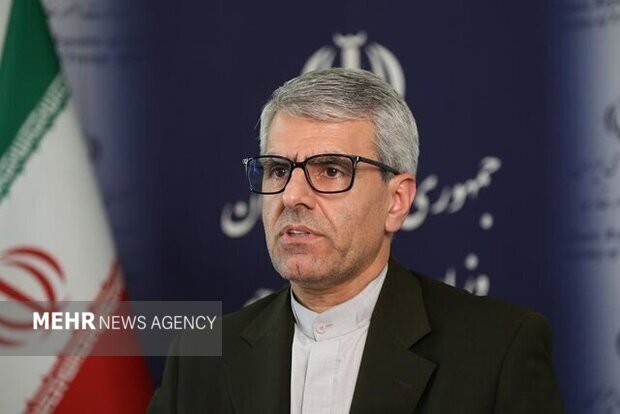
Iran's ambassador to the United Nations, Amir Saeid Iravani, countered the accusations by stating that Bahrain and other Gulf states facilitated US-Israeli aggression. Ambassador Iravani claimed these nations allowed their territory and airspace to be used against Iran. He stated, "Certain regional countries, including Bahrain, facilitated the aggression by allowing their territory and airspace to be used by the aggressors." This counter-narrative suggests a complex geopolitical dynamic, where Iran views the actions of some Gulf states as enabling hostile foreign powers. Ambassador Iravani further argued that the presence of US forces on their soil "not only does not bring security to their countries but also makes those countries vulnerable." This perspective emphasizes Iran's long-standing opposition to foreign military presence in the region, viewing it as a source of instability rather than a deterrent.
US ambassador Mike Waltz, however, laid blame squarely on Tehran, accusing Iran of defying the UN Security Council. Ambassador Waltz stated that Iran kept the Strait of Hormuz closed to shipping, an action he described as a disregard for international norms. The closure of the Strait of Hormuz, a vital maritime chokepoint for global oil shipments, has significant implications for international trade and energy security. Ambassador Waltz remarked, "Iran still hasn't shown the world a basic level of decency and respect. Instead, they openly defied this council, their neighbours and basic tenets of diplomacy." He added, "Iran cannot, and we cannot allow it to, hold the world's economy hostage." This strong condemnation from the US shows the international community's concern over Iran's actions and their potential to disrupt global economic stability.
China’s UN envoy, Fu Cong, called for an immediate resumption of shipping through the Strait of Hormuz. Ambassador Fu emphasized the importance of regional stability, warning against external interference. The call for immediate resumption of shipping notes the global economic reliance on the Strait of Hormuz and the urgency of maintaining its open passage. Ambassador Fu stated, "The Middle East, including the Gulf, cannot once again become an arena for the rivalry among big powers or fall victim to geopolitical games." This statement reflects China's desire for a peaceful and stable Middle East, free from the influence of major power competition, which it views as detrimental to regional and global interests.
Regional Security Implications
Bahrain's Foreign Minister Abdullatif Al Zayani informed the 15-member UN Security Council that the ongoing assaults posed a significant threat to regional security. Mr. Al Zayani stated, "This aggression is not directed solely against Bahrain. It threatens the security of the entire region." The minister's remarks showed concerns about broader instability in the Arabian Gulf, suggesting that the attacks are part of a wider strategy that could destabilize the entire area. The repeated targeting of civilian infrastructure, such as the water desalination plant and residential neighborhoods mentioned by Mr. Al Zayani, has a direct impact on the well-being and safety of the civilian population. Such actions are viewed by Bahrain as a deliberate attempt to sow fear and disrupt normal life within the kingdom and potentially beyond.
Further noting regional vulnerabilities, a drone strike previously caused a fire in an external electrical generator at the Barakah Nuclear Power Plant in the UAE. This incident illustrated the potential for attacks to impact critical infrastructure across the Gulf, raising alarms about the security of essential facilities in the area. The targeting of a nuclear power plant, even an external component, demonstrates the severe risks posed by these attacks, not only in terms of immediate damage but also the potential for wider environmental and safety consequences. The interconnectedness of critical infrastructure across the Gulf means that an attack on one nation's facilities can have ripple effects throughout the region, emphasizing the shared security concerns among these states. These incidents have prompted increased calls for international cooperation to address the escalating tensions and ensure the safety of vital regional assets.