Bahrain accused Iran on Tuesday of employing threats against critical maritime chokepoints as a form of blackmail, according to remarks made at the United Nations. Jamal Fares Alrowaiei, representing Bahrain, stated that Tehran's actions in the Gulf region constitute a "deliberate and illegal attack." Mr. Alrowaiei specifically linked Iranian activities in the Gulf to perceived threats emanating from Houthi rebels operating in the Red Sea. This accusation, delivered at a key UN Security Council meeting, showed Bahrain's deep concerns over regional stability and the unimpeded flow of global commerce through vital waterways.
Mr. Alrowaiei's statements showed Bahrain's concerns regarding maritime security in the broader Middle East. He emphasized that the alleged Iranian tactics impact vital shipping lanes that are key for international trade. The Bahraini representative's comments at the UN noted a perceived coordinated strategy between Iran and the Houthi movement, which he indicated poses a significant challenge to regional stability and global commerce. He elaborated on the potential for these actions to escalate tensions and disrupt the global economy, stressing the need for a unified international response to such threats.
Maritime Chokepoints Under Threat
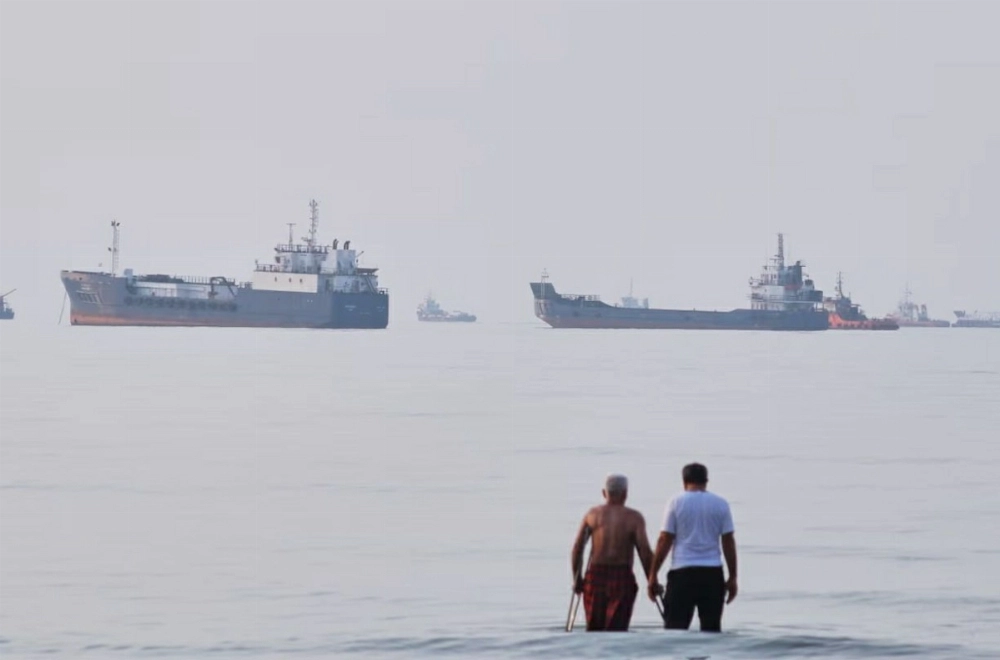
Jamal Fares Alrowaiei serves as Bahrain's UN ambassador, representing the nation's concerns at the international body. His remarks noted the strategic importance of waterways like the Strait of Hormuz and the Bab Al Mandeb strait. The strategic Strait of Hormuz, a critical maritime passage, handles approximately a fifth of global oil consumption, showing its immense importance to international trade and global energy supplies. Any disruption in this strait has immediate and broad economic consequences.
US envoy Mike Waltz condemned Iran's actions, stating that Tehran has attacked commercial vessels and attempted to "hold the Strait of Hormuz and with it the world economy hostage." Waltz asserted that the Houthis, whom he described as "a declared terrorist organisation," are "Tehran's acolytes." He stressed that the international community must recognize the gravity of these threats and take decisive action to safeguard maritime freedom and security.
Waltz further elaborated on the perceived links between Iran and the Houthi movement, suggesting a direct correlation in their tactics. "They have studied the IRGC [Islamic Revolutionary Guard Corps] playbook, and here's what happens: when Iran kidnaps civilians, the Houthis do, too," Waltz stated. He added, "When Iran hides behind human shields, the Houthis do as well. When Iran targets civilian infrastructure across the Gulf, so do the Houthis. When Iran chants 'Death to Israel' and 'Death to America,' the Houthis repeat it word for word." Waltz questioned the potential for further disruption, asking, "If Iran is willing to threaten the Strait of Hormuz, how long before the Houthis decide to once again mirror their benefactor, their mentors, their idols in Tehran, and try to shut down the Red Sea?" He noted, "They've already threatened to do it." These parallels, according to Waltz, demonstrate a deliberate strategy aimed at destabilizing key maritime routes.
Waltz also criticized the perceived inaction of international bodies regarding the Houthi threats. "Every time the Houthis fire another missile after this council tells them to stop, they are betting that our words are empty," he said. "They are hedging that another Secretary General's report won't mean very much to us – won't cause consequences for them." International Maritime Organisation (IMO) secretary general Arsenio Dominguez reported "24 attempted and actual incidents of piracy and armed robbery against ships in the region" over the preceding three months, noting the instability in maritime routes. This alarming figure shows the daily dangers faced by commercial shipping and seafarers in the Red Sea and surrounding areas.
US Envoy Links Iran and Houthi Actions
The United Nations Security Council recently extended a requirement for the UN Secretary General to report monthly on Houthi attacks targeting merchant vessels in the Red Sea. This mandate will continue for another six months, reflecting ongoing international concerns about maritime security and the need for continuous monitoring of the situation. This extension signifies the council's acknowledgment of the persistent threat posed by Houthi actions to international shipping.
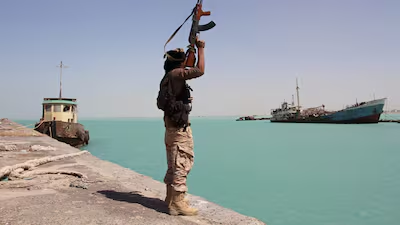
The Bab Al Mandeb strait, a key waterway, connects the Red Sea to the Gulf of Aden. This passage serves as a vital route for trade flows between Europe and Asia, showing its strategic importance for global commerce. Disruptions in this area can have significant implications for international shipping and supply chains, affecting economies worldwide. The potential for these chokepoints to be targeted by malicious actors represents a severe risk to global economic stability.
Further noting the deteriorating security situation, the International Maritime Organisation (IMO) issued a warning on July 6. The IMO statement indicated that security conditions in the Red Sea are worsening, adding to the anxieties of maritime operators and international bodies regarding the safety of vessels and crews in the region. This official warning from a key international maritime body serves as a stark reminder of the escalating dangers and the urgent need for effective countermeasures.
China's Counter-Accusations and UN Stalemate
The resolution on maritime security was adopted with 13 votes in favour, though Russia and China abstained from the vote. This split vote noted significant diplomatic divisions within the Security Council regarding the root causes and appropriate responses to the maritime security crisis. China rejected Mr. Waltz's assessment of the situation and accused Washington of bringing the Middle East to "a dangerous precipice" with its actions against Iran. China's envoy to the UN, Sun Lei, directly attributed responsibility for the regional instability to the United States. "The US has irrefutable responsibility over the current situation in Yemen and the Red Sea," Mr. Sun stated, presenting a contrasting view on the origins of the crisis.
Mr. Sun further criticized US actions, asserting that they were hindering efforts to resolve conflicts. "It is the US that is obstructing the efforts of the Council to end hostilities and allow the [continuation] of the crisis in Gaza and the expansion of the tensions," he said. His comments showed a divergence in perspectives within the Security Council regarding the root causes and potential solutions for the escalating tensions in the region. The abstentions from China and Russia noted the diplomatic divisions at the UN, preventing a unanimous stance on the resolution and reflecting deeper geopolitical disagreements.
Calls for De-escalation and International Law
China's envoy to the UN, Sun Lei, urged all parties to avoid any actions that could lead to further escalation in the region. Mr. Sun stated that the Houthis, whom the US has described as a "declared terrorist organisation," contribute to the instability. However, he emphasized the urgent need for a shift in approach, directly addressing the United States as the primary actor capable of de-escalation. "The priority now is for the United States to stop creating new conflicts and turmoil in the Middle East," Mr. Sun stated, showing Beijing's perspective on the origins of the regional tensions. China's representative noted the importance of de-escalation to prevent wider ramifications across the Middle East, advocating for a diplomatic rather than a confrontational approach to the complex security challenges. He stressed that without a change in the US's posture, the region would continue to face instability and increased risks to international peace and security.