U.S. Forces conducted bombing operations targeting locations in southern Iran overnight, as American troop deaths increased to 17 over the weekend, according to official reports. The strikes occurred amidst escalating tensions in the region, marking a significant escalation in the ongoing conflict. Iran's Revolutionary Guards reported that two oil tankers caught fire after experiencing explosions while attempting to traverse the southern route of the Strait of Hormuz. These incidents add to the volatile situation in a critical maritime passage, raising concerns about the safety of international shipping and the stability of the region's energy supplies. The overnight bombing operations by U.S. Forces show the gravity of the situation, with both sides engaging in retaliatory actions that threaten to further destabilize an already fraught geopolitical landscape.
US Retaliation and Iranian Strikes
In a series of coordinated actions, Iran targeted U.S. Sites in Bahrain, Kuwait, and Jordan, according to various reports. Explosions were simultaneously heard around the city of Shiraz in southern Iran, indicating a broad scope to the attacks. Additionally, coastal areas such as Konarak and Chabahar, situated on Iran's southern coast, also came under attack, suggesting a wide-ranging assault on Iranian territory. These attacks followed earlier U.S. Military actions, creating a cycle of retaliation.
U.S. Central Command announced that it had completed its latest round of strikes on Iran, emphasizing the conclusion of a specific phase of operations. Separately, the Revolutionary Guards stated they attacked a U.S. Military site in Jordan, claiming direct engagement with American forces. Jordanian authorities confirmed their forces intercepted and destroyed five Iranian drones, preventing potential damage or casualties within their borders. These drone interceptions highlight the advanced capabilities being deployed in the conflict and the efforts by regional allies to defend against incoming threats. The targeting of U.S. Facilities in multiple countries signals a broadening of the conflict beyond direct U.S.-Iran confrontations.
Strait of Hormuz and Global Impact
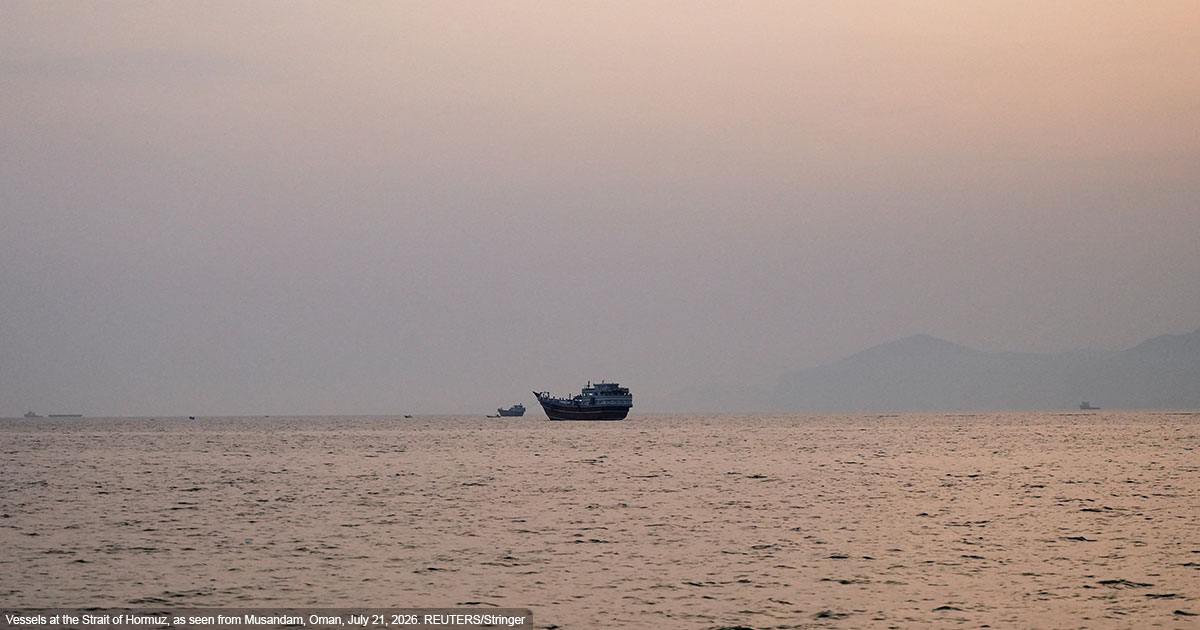
A tanker navigating the Strait of Hormuz reported being struck by an unknown projectile, according to the United Kingdom Maritime Trade Operations agency on Tuesday. The incident adds to ongoing concerns about maritime security in the critical waterway, raising fears of further disruptions to global trade routes. The Strait of Hormuz, a narrow channel connecting the Persian Gulf to the open ocean, is a vital chokepoint for global oil shipments. Disruptions in this area can significantly impact international energy markets, leading to price volatility and supply chain uncertainties. The reported strike on a tanker shows the immediate dangers faced by commercial vessels operating in the region.
The war in the Gulf has already led to a reduction of 10% of the global oil supply in terms of shipments, demonstrating the significant economic repercussions of the conflict. Further escalation or disruption to key maritime passages could exacerbate these figures, posing a serious threat to the global economy. Experts note that a complete closure of the Bab el-Mandeb strait, another key shipping lane connecting the Red Sea to the Gulf of Aden, would diminish global oil supply by 7%. These statistics show the fragility of global supply chains amidst regional instability and highlight the interconnectedness of international energy markets. The potential for such closures or sustained attacks on shipping lanes has prompted urgent calls for de-escalation from international bodies and trading partners.
The strategic importance of these waterways cannot be overstated. The volume of oil and gas transiting the Strait of Hormuz alone is immense, making any incident there a matter of international concern. The attacks on tankers and the deployment of naval blockades represent a direct threat to the free flow of commerce, which is a cornerstone of the global economy. The ripple effects of such disruptions extend far beyond the immediate region, impacting energy prices, manufacturing costs, and consumer goods worldwide. The international community watches closely, aware that prolonged instability in these maritime arteries could trigger a broader economic crisis.
Broader Conflict and Diplomatic Overtures
President Donald Trump stated that Tehran would face significant consequences for the deaths of American soldiers, issuing a stern warning to the Iranian leadership. The ongoing conflict has resulted in thousands of fatalities, primarily in Iran and Lebanon, painting a grim picture of the human cost of the escalating tensions. The loss of life on both sides continues to fuel calls for an end to hostilities and a return to diplomatic solutions.
Amidst these developments, Lebanese President Joseph Aoun is scheduled to meet with President Trump at the White House on Tuesday, a high-level diplomatic engagement aimed at addressing regional stability. In a potential diplomatic move, a senior Iranian official informed Reuters on Monday that Tehran had received a proposal for a 10-day ceasefire from mediators, indicating a possible avenue for de-escalation. Iranian Interior Minister Eskandar Momeni additionally requested that Pakistan resume its mediation efforts in the conflict, signaling Iran's willingness to engage with third-party facilitators to find a path toward peace. These diplomatic overtures, however, are unfolding against a backdrop of continued military actions, making their success uncertain.
The regional tensions are further compounded by actions from other actors; Yemen's Iran-aligned Houthis announced their intention to impose a naval blockade on Saudi Arabia, adding another layer of complexity to the already volatile situation. This threat of a blockade could further disrupt shipping lanes and exacerbate humanitarian concerns in the region. These various statements and diplomatic efforts unfold as the broader conflict continues to impact regional stability, creating a complex web of military actions, political posturing, and attempts at negotiation. The involvement of multiple state and non-state actors shows the multifaceted nature of the crisis.
Iranian Justifications and US Response
Iran's actions were in retaliation for what it described as a U.S. Strike on the construction site of Iran's planned Darkhovin nuclear power plant. This claim provides a key insight into Iran's motivations, framing its military responses as defensive measures against perceived aggression. Iran's Revolutionary Guards stated they targeted infrastructure in Bahrain belonging to U.S. Tech company Amazon, indicating a willingness to broaden the scope of targets beyond purely military installations. This targeting of civilian infrastructure, even if owned by a U.S. Entity, could be seen as a significant escalation. Iranian state media reported that Iranian forces also targeted accommodation facilities used by U.S. Military personnel at Bahrain's Sheikh Isa Air Base, directly aiming at personnel and support structures. The Iranian army said it launched drone attacks against three U.S. Military bases in Kuwait on Tuesday, demonstrating a coordinated and widespread drone campaign against American assets in the Gulf region.
These retaliatory strikes by Iran show the tit-for-tat nature of the conflict, where each action by one side prompts a response from the other. The targeting of a nuclear power plant construction site, if confirmed, would represent a highly provocative act from the Iranian perspective, justifying their subsequent military actions. The specific mention of Amazon's infrastructure suggests an intent to impact U.S. Economic interests or technological presence in the region, adding another dimension to the conflict. The repeated targeting of U.S. Military bases in multiple countries – Jordan, Bahrain, and Kuwait – notes Iran's capability to project power across the Gulf and its determination to challenge the U.S. Military footprint in the Middle East. The use of drones in these attacks indicates a reliance on asymmetric warfare tactics, which can be difficult to counter and can inflict damage without direct engagement of conventional forces. These events collectively paint a picture of a region teetering on the brink of wider conflict, with both sides demonstrating a readiness to use military force to achieve their objectives.