The International Committee of the Red Cross issued a formal call for urgent de-escalation in the Middle East on 13 October 2026. Geneva-based officials released the statement from Switzerland, citing the need to protect populations caught in the conflict.
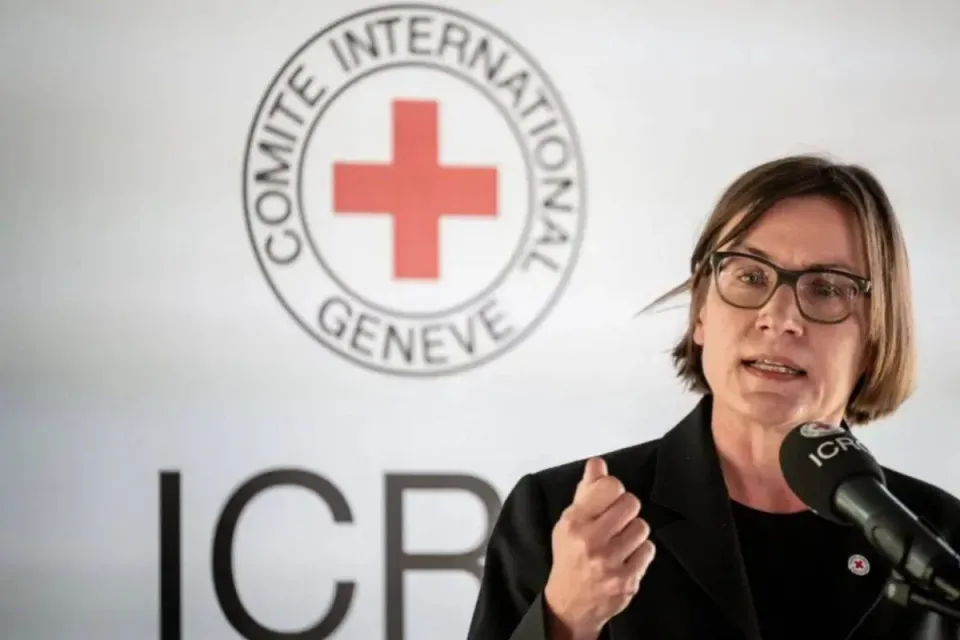
ICRC President Mirjana Spoljaric warned that further intensification of hostilities would be disastrous for tens of millions of people. Addressing the humanitarian consequences of the ongoing situation, she stated, "Civilians are paying an unacceptable price in the fighting in the Middle East."
The International Committee of the Red Cross issued a call for urgent de-escalation in the Middle East on 13 October 2026. This formal communication notes the growing concerns held by the organization regarding the safety of non-combatants residing within the affected territories. The Geneva-based officials, working from their headquarters in Switzerland, emphasized that the current trajectory of the hostilities poses an extreme risk to infrastructure and essential services upon which the civilian population relies for survival.
According to the International Committee of the Red Cross, the protection of civilians must remain the primary priority for all parties involved in the current conflict. President Mirjana Spoljaric noted that the organization is monitoring the situation closely and remains committed to facilitating humanitarian access wherever possible. The statement released by the International Committee of the Red Cross serves as a reminder of the obligations placed upon all participants under international humanitarian law.
President Mirjana Spoljaric showed that the ongoing violence has disrupted the daily lives of millions, leading to widespread displacement and the loss of access to healthcare and basic necessities. The International Committee of the Red Cross is currently coordinating with local partners to assess the most pressing needs of those affected. The organization reiterated that the safety of medical personnel and humanitarian aid workers is critical and must be guaranteed to ensure that life-saving support reaches those in need.
The International Committee of the Red Cross remains in contact with various stakeholders to discuss the potential for humanitarian pauses. These discussions are focused on the immediate requirements of the population, including the delivery of medical supplies and the provision of clean water and sanitation services. The organization stated that the scale of the humanitarian crisis requires a unified effort to mitigate the suffering of those trapped by the fighting.
By issuing this call for urgent de-escalation in the Middle East on 13 October 2026, the International Committee of the Red Cross seeks to prevent a further deterioration of the humanitarian landscape. President Mirjana Spoljaric reaffirmed that the organization will continue its operations despite the significant challenges posed by the security environment. The International Committee of the Red Cross maintains its neutral position, focusing solely on the humanitarian mandate to protect life and dignity. The organization continues to urge all parties to respect the rules of war and prioritize the protection of civilians in every action taken within the region.