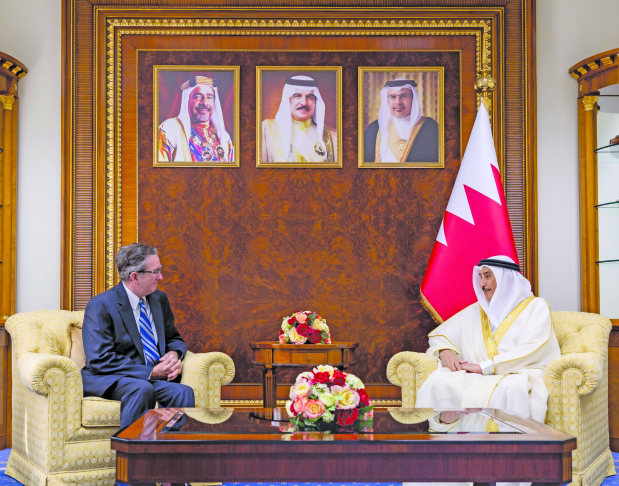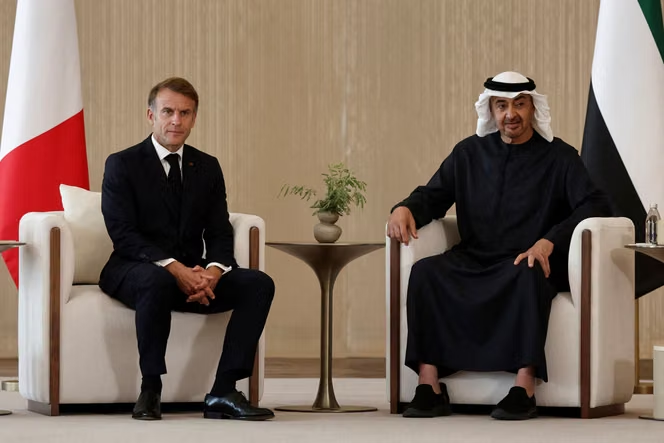
French President Emmanuel Macron secured 100,000 tonnes of diesel per month from the United Arab Emirates on 20 October 2026. This agreement aims to address domestic energy shortages by diversifying the national fuel supply. France is also set to secure an additional 100,000 tonnes of diesel per month from Bahrain on 20 October 2026. These shipments from the two Gulf nations provide a combined increase of 200,000 tonnes of diesel to the French market each month. Government officials finalized these arrangements as part of a move to stabilize energy reserves. The additional supplies serve to bolster existing fuel stocks through regular monthly imports.
These diplomatic efforts to secure energy resources are part of a broader strategy to ensure the continuity of French infrastructure and transport sectors. By diversifying the sources of imported fuel, the French government intends to reduce reliance on single-origin supply chains. The coordination with the United Arab Emirates and Bahrain represents a focused effort to integrate these new monthly volumes directly into the national distribution network. Each shipment is scheduled to arrive at French ports on a recurring basis, ensuring a steady flow of energy products to meet industrial and consumer needs.
Expanding National Diesel Reserves
Total French commitments for diesel imports, including those from Saudi Arabia, reached 295,000 tonnes per month. These imports represent over 10% of French consumption. Government agencies finalized these supply chains to ensure that domestic demand remains met despite current market volatility. The inclusion of Saudi Arabia as a primary supplier complements the new agreements, creating a strong framework for energy security. These combined import volumes are essential for maintaining the operational capacity of the French economy during periods of constrained supply.
Kuwait committed to delivering diesel and kerosene to the French overseas territories of Mayotte and Reunion via Oman. These shipments travel through the Indian Ocean to reach the island territories. Logistical planning for these routes involves coordination with Omani authorities to facilitate the movement of fuel products from Kuwaiti refineries. By utilizing Oman as a transit hub, Kuwait and France have established a reliable maritime corridor that mitigates the geographic challenges of supplying remote territories. This logistical arrangement ensures that Mayotte and Reunion maintain consistent access to the fuel necessary for their local energy grids and transportation requirements.
G7 countries agreed in early October 2026 to draw up to 100 million barrels of oil from strategic reserves. Member nations determined that this collective release of stored petroleum products would provide additional liquidity to global energy markets. Participating states intend to monitor the impact of these withdrawals on international price stability while maintaining their own internal emergency stocks. This multilateral decision reflects a coordinated approach among the G7 to manage the volatility of global energy markets. By releasing these strategic reserves, the participating countries aim to provide a buffer against supply disruptions, thereby supporting the stability of energy prices across the international market. The strategic release is designed to complement existing national efforts to secure stable and consistent energy supplies for all member states.