Government efforts to assess damage and address the repercussions of the Iranian attacks in Bahrain are currently being led by His Royal Highness Prince Salman bin Hamad Al Khalifa, Crown Prince and Prime Minister. Authorities are working to evaluate the impact of these strikes on local workers and businesses to determine the scope of necessary financial assistance. His Royal Highness Prince Salman bin Hamad Al Khalifa remains focused on coordinating the response across relevant ministries to ensure that those affected by the security incidents receive appropriate support. Officials continue to monitor the situation throughout the country to provide the necessary aid for the recovery of the local workforce.
Expanding Financial Support Scope
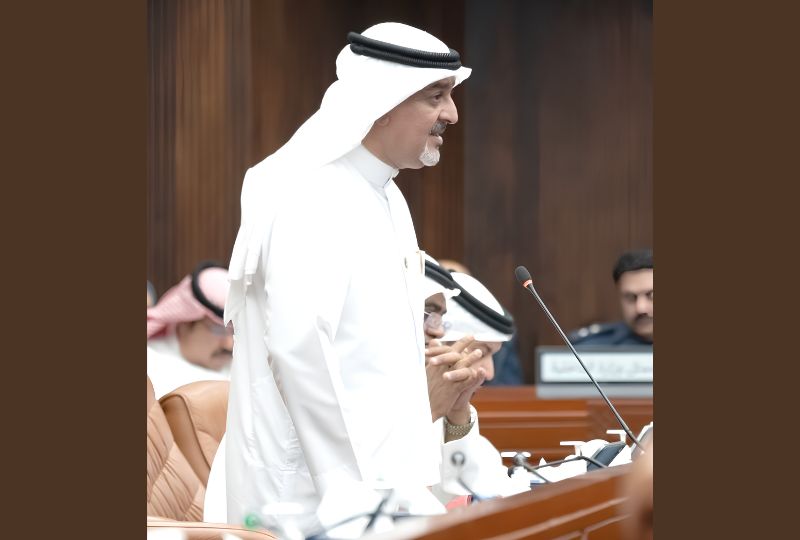
Jalal Al Mahfoodh, vice-chairman of Parliament’s legislative and legal affairs committee, identified specific groups that require inclusion in the government’s relief planning. The committee is tasked with reviewing the economic landscape to ensure that the recovery process is full and inclusive. Taxi drivers and other independent workers in Bahrain experienced a documented downturn in tourism and economic activity following the Iranian attacks. These independent professionals have seen a reduction in daily earnings due to the broader security environment. Simultaneously, school bus operators faced significant financial difficulties during the transition to remote learning protocols. The shift in educational delivery methods created an immediate gap in revenue for those reliant on daily school transportation services.
Jalal Al Mahfoodh argued for a broader application of state aid to cover these segments of the workforce. He stated: "Compensation should not be limited to taxi owners and home-based businesses. School bus operators and people working in other self-employed professions have also suffered, and their circumstances deserve serious consideration." By advocating for this expansion, Jalal Al Mahfoodh seeks to ensure that the legislative and legal affairs committee addresses the diverse nature of the Bahraini labor market.
The financial vulnerability of these workers remains a primary concern for the committee. According to Jalal Al Mahfoodh: "Many of these people rely entirely on their own efforts to earn a living. When their work stops, their income stops too, but their financial and family responsibilities do not disappear." The committee is currently reviewing data to ensure that the relief measures align with the specific needs of these self-employed individuals.
While acknowledging current government operations, the committee member emphasized the necessity of a wide-reaching support framework. Jalal Al Mahfoodh noted: "The efforts made by Team Bahrain to assess the damage and address its consequences have been substantial. It is important that this support reaches every affected group, including those whose livelihoods have been interrupted." As the assessment continues, the committee remains committed to monitoring the economic status of independent workers to provide recommendations for further government action. The focus remains on stabilizing the income of those impacted by the recent security events, ensuring that the recovery process accounts for the specific challenges faced by taxi drivers and school bus operators alike.