A significant sewage infrastructure project in the Kingdom of Bahrain is nearing completion, with the initiative now 70% complete. This substantial progress shows the commitment to modernizing essential public services. The project aims to significantly enhance infrastructure in the Al Lawzi area and Hamad City, specifically targeting Block 1016 and Block 1203. Upon its full completion, the modern sewage network is meticulously designed to connect 968 properties within these designated areas, providing residents with improved sanitation services. This development is a key step towards upgrading the overall living standards in these communities.
Project Scope and Progress
The full project encompasses the installation of approximately 25 kilometers of new pipes, forming a strong and efficient network. This extensive piping system includes the deployment of about 15 kilometers of main sewage lines, which are engineered with varying diameters ranging from 200mm to 1,000mm to accommodate different flow requirements. These main lines are critical for the primary collection and transport of wastewater. Additionally, the infrastructure incorporates around 10 kilometers of secondary branch lines, each uniformly designed with a 150mm diameter. These secondary lines are vital for connecting individual properties to the broader network. The construction efforts also involve establishing 754 inspection chambers, strategically placed to facilitate maintenance and ensure the long-term operational efficiency of the system. A new pumping station, a central component of the project, is also being constructed. This advanced facility is designed with a substantial capacity of 650 liters per second, ensuring effective wastewater management and conveyance within the network. The current 70% completion rate reflects steady advancement across all these critical components.
Key Personnel and Contracts
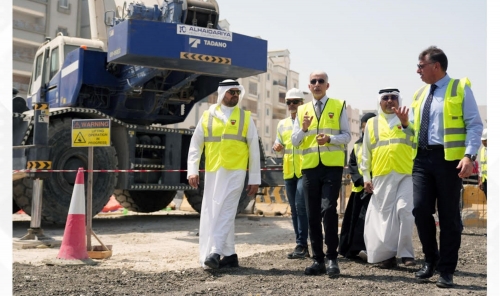
Minister of Works, Engineer Ibrahim bin Hassan Al Hawaj, recently visited the project site to observe the ongoing construction progress firsthand. His visit notes the government's close oversight and dedication to the successful execution of this vital infrastructure initiative. He was accompanied by key officials from the Ministry, including the Ministry's Undersecretary, Engineer Sheikh Mashal bin Mohammed Al Khalifa, and Assistant Undersecretary for Sanitary Works Engineer Fathi Abdullah Al Fare'. Their presence shows the collaborative effort and expertise guiding the project. Project oversight and execution involve several key entities, chosen through a rigorous selection process. Bahrain's Tender Board, responsible for ensuring transparency and competitiveness in government contracts, awarded the construction contract for this significant project to Abdul Hadi Al Afoo Contracting Company. This company is now tasked with the physical construction and installation of the network. Additionally, Stantec Khanji was appointed to serve as the supervising consultant for the project, playing a key role in ensuring adherence to specifications, quality standards, and overall project integrity throughout its development phase.
Strategic Infrastructure Development
The project's scope covers specific and strategically important locations: Block 1016 within the Al Lawzi area and Block 1203 in Hamad City. These particular areas were chosen as central to the Ministry of Works' broader strategic plan for national development. The Ministry aims to systematically upgrade infrastructure throughout the entire Kingdom of Bahrain, aligning with its overarching goals to enhance public services and improve the quality of life for its citizens. This particular initiative is integral to expanding access to modern sanitation services across various communities, ensuring that more residents benefit from advanced infrastructure. The development in Al Lawzi and Hamad City reflects a strong commitment to improving essential amenities and public health for residents. The Ministry's strategy emphasizes not only systematic improvements to existing infrastructure but also the introduction of new, advanced facilities where needed, ensuring that Bahrain's infrastructure keeps pace with its growth and development objectives. This project, which is 70% complete, stands as a testament to these strategic priorities.