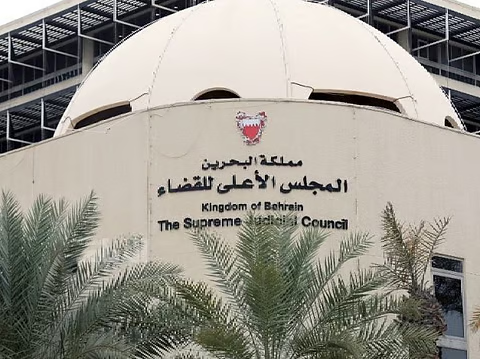
Bahrain's high court on Monday, June 15, 2026, sentenced 12 individuals to 10 years in prison. The judgments were issued in connection with crimes linked to Iran, culminating a thorough investigation and legal process. The severe penalties show Bahrain's firm stance against activities perceived as undermining national security and stability, particularly those with alleged foreign backing.
Charges Detailed
The charges against the 12 individuals included supporting, encouraging, and endorsing Iranian attacks against Bahrain, according to court documents. This primary accusation formed the core of the prosecution's case, noting the perceived threat posed by such activities. The defendants were also accused of spreading false news and rumors through social media platforms during the period of these attacks. Authorities emphasized the disruptive potential of such misinformation campaigns, particularly during times of heightened tensions. Further accusations against the group involved obtaining and disseminating prohibited vital data, which authorities deemed highly sensitive and critical to national security. Additionally, the charges detailed that the individuals photographed locations where photography is expressly prohibited by law, another act that authorities viewed as a breach of security protocols. The full nature of these charges reflected the multi-faceted approach allegedly taken by the defendants in their activities.
Investigation and Prosecution
The Public Prosecution initiated its case after receiving reports from the cybercrime department regarding social media accounts supporting Iranian attacks. These reports detailed social media accounts that were actively supporting Iranian attacks against Bahrain, providing the initial impetus for the investigation. The cybercrime department's vigilance played a key role in identifying the digital footprints of the alleged offenders. Subsequent investigations successfully identified the individuals operating these accounts, a critical step in linking online activities to specific persons. This led to their referral to the High Criminal Court for prosecution, marking the formal commencement of legal proceedings.
During the legal proceedings, the prosecution presented a range of evidence to substantiate its claims. Examination results confirmed that the defendants had committed the acts attributed to them, providing key forensic backing to the charges. The court carefully considered all evidence presented, including digital forensics and witness testimonies. The court found sufficient evidence to support the charges brought forward by the prosecution against the 12 individuals, leading to their conviction. The judicial process adhered to established legal frameworks, ensuring that the verdict was based on concrete findings.
Sentencing and Confiscation
Following their conviction, Bahrain's high court proceeded with the sentencing. The court sentenced all 12 individuals to 10 years in prison, reflecting the gravity of the offenses as perceived by the judiciary. This significant prison term sends a clear message regarding the consequences of engaging in activities deemed hostile to the state. Some defendants received additional penalties beyond the prison sentences, indicating varying degrees of involvement or specific circumstances. The court imposed fines of 2,000 dinars on several of the individuals found guilty. These monetary penalties serve as an additional punitive measure. In conjunction with the sentencing, the court also issued an order for the confiscation of all items that had been seized as evidence during the investigation. These items, which may have included electronic devices, documents, or other materials pertinent to the case, are now subject to permanent forfeiture under the court's ruling. This confiscation aims to prevent any further use of these items for unlawful activities and to show the finality of the court's decision. The full judgment addresses both the individuals' freedom and their assets, reflecting the seriousness with which the Bahraini legal system views these particular crimes.