Bahrain has issued new regulations concerning customs clearance, duty refunds, and traveler exemptions, modifying the executive regulations of the GCC Unified Customs Law. These new rules, which aim to enhance efficiency and compliance across various aspects of customs operations, represent a significant update to the Kingdom's trade framework. Interior Minister Shaikh Rashid bin Abdullah Al Khalifa issued these changes under Decision No. 63 of 2026. The amendments are set to take effect the day after their publication in Bahrain's Official Gazette, ensuring a clear implementation timeline for all stakeholders. The full update introduces specific provisions for customs procedures and financial transactions related to imports and exports within the Kingdom, affecting both individuals and businesses.
New Penalties and Clearance Procedures
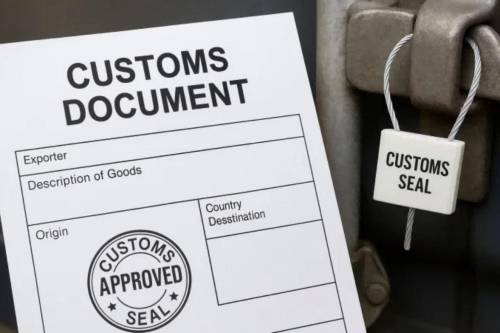
The updated regulations introduce specific penalties for customs violations, including fines for tampering with official seals or goods. These measures are designed to safeguard the integrity of goods in transit and prevent illicit activities. Fines now explicitly cover actions such as cutting lead seals, removing customs seals, locks, or ties, and removing covers from goods. These detailed provisions aim to reinforce the integrity of customs procedures and prevent unauthorized access to shipments, thereby ensuring that goods remain secure and accounted for throughout the customs process.
Customs authorities are now authorized to accept electronic documentation for clearance processes, marking a significant step towards digitalization. This provision allows for greater efficiency, as electronic papers can be submitted by the owner of the goods or an authorized representative, provided the representative is approved by Customs. This digital shift streamlines the clearance workflow, potentially reducing processing times for imports and exports, and facilitating easier compliance for traders. The adoption of electronic documentation reflects a modern approach to customs operations, aligning Bahrain with international best practices in trade facilitation.
Under the amended regulation, customs breaches are subject to financial penalties ranging from BD50 to BD1,000. This financial framework establishes clear consequences for non-compliance with the new customs law and its executive regulations, providing a deterrent against infractions. The specific range of fines ensures that penalties are proportionate to the severity of the violation, encouraging strict adherence to the updated customs protocols.
Duty Refunds and Temporary Exports
Bahrain's amended customs law introduces provisions for the temporary entry of heavy machinery and equipment not locally available, allowing their use for projects or tests for up to three years, with potential extensions. This measure supports industrial development and specialized projects by enabling access to necessary foreign equipment without immediate duty payments. For foreign goods re-exported outside the GCC, the regulations permit full or partial customs duty refunds. These goods must originate from a single consignment, hold a value of at least BD2,000, remain unused within Bahrain, and be in their original state upon re-export. This ensures that the refund mechanism is applied to legitimate re-exports rather than goods that have entered the local market. Re-export for the purpose of duty refunds must take place within one year of the initial duty payment. Additionally, any claims for such refunds must be submitted within six months following the re-export date and can only cover duties that have already been paid. These timeframes are key for maintaining clarity and preventing stale claims.
The updated rules also delineate conditions for temporary exports, catering to a variety of business and operational needs. This includes provisions for heavy machinery, goods intended for completion of manufacturing processes abroad, equipment sent out for repair, items for exhibition, containers to be filled, animals designated for grazing, and commercial samples. These categories cover a wide spectrum of temporary movements, facilitating international trade and specific industry requirements. Temporary exports are generally limited to a period of 365 days, though extensions may be granted by Customs, potentially extending the period up to five years, depending on the nature and purpose of the export. Specific categories, such as animals for grazing and other approved cases, have a more restricted temporary export cap of 180 days, reflecting their particular requirements and potential risks. These detailed guidelines aim to balance trade facilitation with effective customs control.
Traveller and Charity Exemptions
Bahrain's amended customs law introduces specific exemptions for travellers and charitable organizations, aiming to ease the movement of personal goods and support humanitarian efforts. Travellers are now permitted to bring in personal luggage and gifts duty-free, provided the total value does not exceed BD300 and the items are for personal use, not commercial quantities. This exemption simplifies the process for tourists and residents returning to Bahrain, allowing them to bring in personal effects without incurring additional costs. This exemption also specifies a limit of 200 cigarettes for travellers, providing a clear guideline for tobacco products.
For personal postal parcels and consignments, the new regulations stipulate an exemption from duties if the items are non-commercial and their value does not exceed BD100. This provision aims to facilitate the receipt of small, non-business-related goods, making it easier for individuals to receive personal items from abroad without complex customs procedures or unexpected duties. This measure particularly benefits individuals receiving gifts or small purchases for personal consumption.
The amendments further address customs exemptions for charitable supplies, recognizing the vital role of non-profit organizations. Registered charities operating in humanitarian, social, cultural, scientific, or religious sectors are eligible for customs duty exemptions on their supplies, provided they function without profit. This measure supports non-commercial initiatives by recognized organizations within Bahrain, enabling them to receive necessary goods and aid without the burden of customs duties. This exemption is key for charities to effectively carry out their missions and provide assistance to those in need across various sectors.